
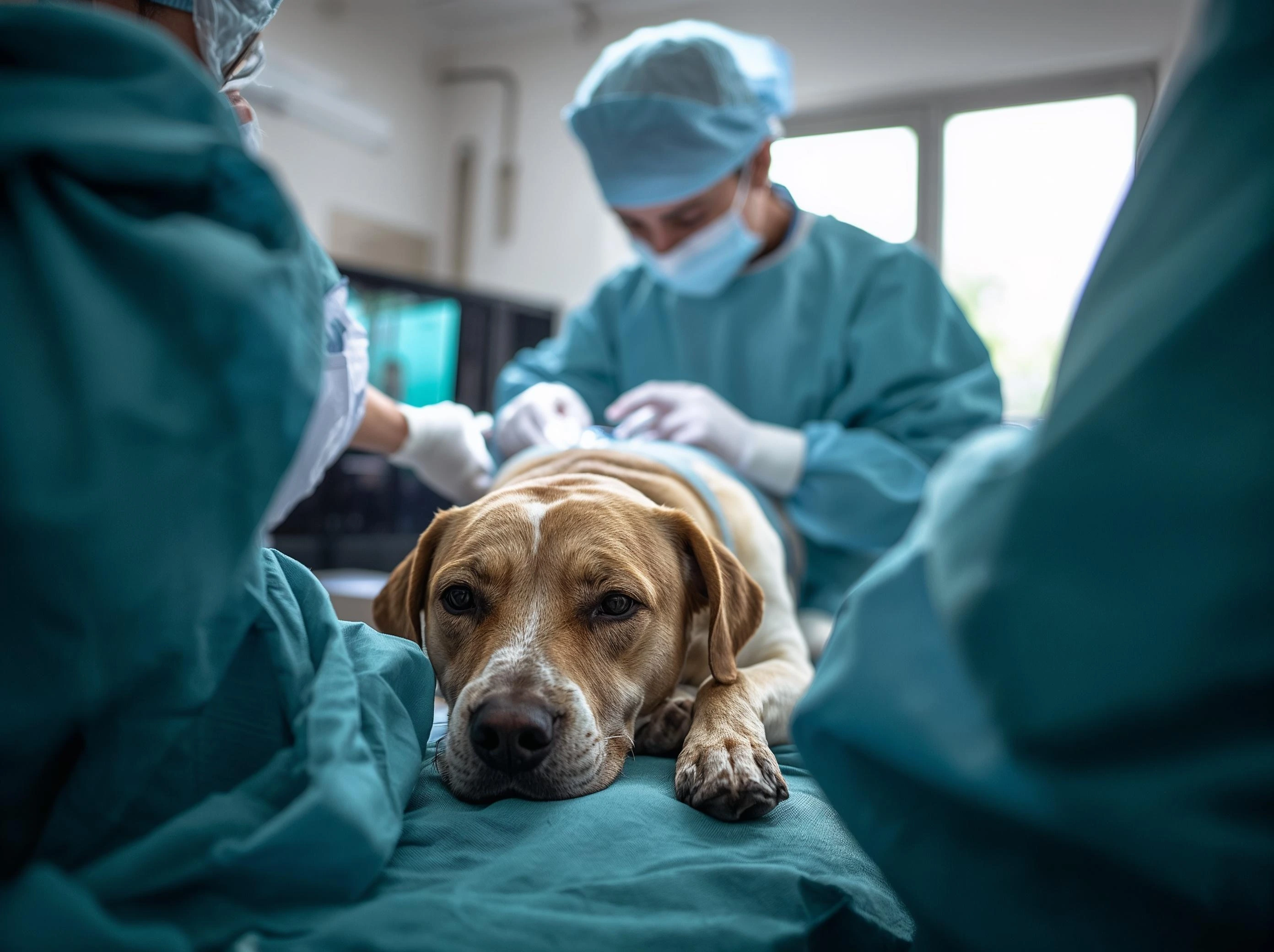
How Much Does It Cost to Spay or Neuter a Dog?
Spaying or neutering a dog typically costs about $360–$885 at a full-service veterinary clinic in the U.S. in 2026.
Current national pricing data from CareCredit lists an average dog spay cost of about $455, with a range of approximately $361–$829. The average dog neuter cost is about $487, with a range of roughly $385–$885.
| Procedure | Average Cost | Typical Range |
|---|---|---|
| Female dog spay | About $455 | $361–$829 |
| Male dog neuter | About $487 | $385–$885 |
| Low-cost clinic or nonprofit | Varies | Often substantially less |
These figures are best used as U.S. budgeting estimates rather than guaranteed quotes. Your actual cost can change based on your dog's size, age, sex, location, health, clinic type and what services are included.
Important: A low advertised surgery price does not always represent the final bill. Bloodwork, vaccines, pain medication, IV fluids, an e-collar and follow-up care may be billed separately.
For current national benchmarks, see the CareCredit dog spay and neuter cost guide.
Cost to Neuter a Male Dog
The cost to neuter a male dog typically falls around $385–$885 at a full-service veterinary clinic, with a current national average of about $487.
This is one of the most important keyword opportunities for this page because owners often search specifically for the price of neutering a male dog rather than for general spay and neuter costs.
A routine male dog neuter usually involves removal of the testicles under general anesthesia. The exact price depends on several factors, including:
- Your dog's weight
- Age and overall health
- Clinic location
- Anesthesia and monitoring protocols
- Pre-operative bloodwork
- Whether take-home pain medication is included
- Whether one or both testicles are retained
Why Can Neutering a Male Dog Cost More?
A routine neuter is usually straightforward, but the cost can increase substantially if one or both testicles have not descended normally.
This condition is called cryptorchidism. The veterinarian may need to locate the retained testicle in the groin or abdomen, making the procedure more complex than a standard neuter.
If your veterinarian suspects a retained testicle, ask for an estimate that includes the possible additional surgical charge.
Cost to Spay a Female Dog
The cost to spay a female dog typically ranges from about $361–$829 at a full-service U.S. veterinary clinic, with a current national average of roughly $455.
A spay is generally more invasive than a routine male neuter because reproductive organs are removed through abdominal surgery.
Factors that can increase the cost include:
- Large or giant body size
- Being in heat
- Pregnancy
- Older age
- Existing medical conditions
- Pre-anesthetic testing
- Additional monitoring or IV fluids
A dog that is in heat or pregnant may require more surgical time and additional precautions, so some clinics charge more in these situations.
Spay vs Neuter Cost Comparison
You may expect a female spay to always cost more because it is a more invasive surgery, but national price data does not always follow that simple pattern.
| Procedure | Average | Typical Range | Main Cost Drivers |
|---|---|---|---|
| Male dog neuter | $487 | $385–$885 | Weight, retained testicle, clinic, anesthesia |
| Female dog spay | $455 | $361–$829 | Weight, heat cycle, pregnancy, clinic, anesthesia |
Clinic pricing, location and included services can matter more than sex alone. That is why you should compare itemized estimates rather than assume one procedure will automatically be cheaper.
Low-Cost Spay and Neuter Options
If a private veterinary quote is difficult to fit into your budget, low-cost spay and neuter programs may reduce the price significantly.
Lower-cost services may be available through:
- Municipal animal shelters
- Humane societies
- Nonprofit veterinary clinics
- Animal rescue organizations
- Spay and neuter voucher programs
- Community veterinary programs
- Veterinary school outreach programs
The ASPCA recommends checking local shelters, veterinarians and the SpayUSA database to find lower-cost providers in your area.
Find low-cost spay and neuter programs through the ASPCA.
Before choosing the cheapest clinic:
Ask what the advertised price includes. One provider may bundle anesthesia monitoring and medications while another charges separately for them.
What Is Included in the Price?
There is no universal spay or neuter package, so two clinics quoting very different prices may actually include different services.
A comprehensive estimate may include:
- Pre-surgical physical examination
- Surgery
- General anesthesia
- Anesthesia monitoring
- Surgical supplies
- Pain medication during surgery
- Take-home pain medication
- IV catheter or fluids
- E-collar or recovery suit
- Discharge instructions
- Follow-up visit when required
Ask for an itemized quote showing which services are included, required or optional.
AAHA anesthesia guidelines emphasize pre-anesthetic evaluation, appropriate patient monitoring and recovery support as important components of safe anesthesia care.
Read the AAHA anesthesia and monitoring guidance.
Additional Costs Before Surgery
The advertised surgery fee may not include every service required before your dog can undergo anesthesia.
| Possible Extra | Why It May Be Needed |
|---|---|
| Blood work | Evaluates health before anesthesia |
| Vaccinations | Some clinics require current vaccines |
| Pain medication | May be included or billed separately |
| IV fluids | May support anesthesia and recovery |
| E-collar or recovery suit | Helps protect the surgical incision |
Blood Work
Pre-operative blood work may be recommended before anesthesia, particularly for older dogs or pets with medical concerns.
Testing can help identify issues that may affect the anesthesia plan. AAHA recommends evaluating individual patient risk factors before anesthesia and notes that laboratory testing may be appropriate depending on the dog's health and history.
If your clinic recommends laboratory testing, compare our dog blood work cost guide for typical pricing.
Vaccinations
Some clinics require dogs to be current on certain vaccinations before elective surgery.
If vaccinations are not included in the surgical package, they can increase your total bill.
For puppies, see our puppy vaccination cost guide.
Pain Medication
Pain control is an important part of surgical care, but clinics structure pricing differently.
Some include medication given during surgery and take-home pain relief in the quoted price. Others charge separately.
When comparing estimates, ask whether both in-clinic and take-home pain medications are included.
What Makes Dog Spay or Neuter More Expensive?
Several factors can move your final bill above the standard range.
- Large dog: more anesthesia and medication may be required.
- Dog in heat: a female spay may be more complex.
- Pregnancy: surgery may require additional time and care.
- Retained testicle: a male neuter may require a more involved procedure.
- Older dog: additional testing or monitoring may be recommended.
- Health problems: extra diagnostics or anesthesia precautions may be needed.
Does Dog Size Affect Spay and Neuter Cost?
Yes. Dog size can have a noticeable effect on the final price because larger dogs may require more medication, anesthesia, surgical supplies and handling.
| Dog Size | Typical Price Pattern |
|---|---|
| Small dog | Often toward the lower end |
| Medium dog | Often around the middle of the range |
| Large dog | Often higher |
| Giant dog | May exceed standard pricing ranges |
If you are researching the long-term cost of a particular dog, browse our dog breed cost guides.
How to Find Low-Cost Spay and Neuter Services
Start by searching for nonprofit or subsidized providers rather than limiting your search to full-service private veterinary hospitals.
Useful places to check include:
- Your city or county animal shelter
- Local humane society
- Dog rescue organizations
- Spay and neuter voucher programs
- Veterinary schools
- ASPCA and SpayUSA provider directories
Ask What the Low Price Includes
Before booking, ask whether the price includes:
- Pre-operative examination
- Anesthesia
- Anesthesia monitoring
- Pain medication
- IV fluids
- E-collar
- Follow-up care
A $150 package that includes most services may ultimately cost less than a $100 advertised surgery with several required add-ons.
Ask About Eligibility Requirements
Some subsidized programs are open to everyone, while others are restricted by household income, ZIP code, dog breed, shelter adoption status or other criteria.
Check eligibility before relying on an advertised price.
How to Compare Spay and Neuter Quotes
When contacting clinics, ask for the expected total cost for your individual dog, not just the base surgery fee.
- What is the base surgery price?
- Does my dog's weight change the cost?
- Is the pre-operative exam included?
- Is blood work required?
- Are anesthesia and monitoring included?
- Are IV fluids included?
- Is pain medication included?
- Is an e-collar included?
- Is there an extra charge if my dog is in heat?
- What would a retained testicle add?
- Is follow-up care included?
This gives you a much more useful comparison than choosing the clinic with the lowest advertised number.
Does Pet Insurance Cover Spaying or Neutering?
Standard accident-and-illness pet insurance usually does not treat routine spaying or neutering as an unexpected medical event.
Some insurers offer optional wellness or preventive-care benefits that may reimburse part of elective sterilization costs.
Coverage varies by policy, so compare the reimbursement amount with the added premium before buying a wellness add-on solely for spay or neuter surgery.
For broader medical-cost planning, see our pet insurance vs emergency fund guide.
When Should a Dog Be Spayed or Neutered?
There is no single ideal age for every dog.
Sex, breed, expected adult size, health, development and lifestyle can all influence the timing recommended by a veterinarian.
The American Veterinary Medical Association recommends discussing the decision for the individual animal rather than assuming one timing rule is appropriate for every dog.
Read the AVMA guidance on spaying and neutering.
Cost is worth planning for, but the lowest-priced surgery date should not override veterinary guidance for your individual dog.
How Spay and Neuter Fits Into Your Dog Budget
Spaying or neutering can be one of the larger first-year veterinary expenses if the procedure was not already included in an adoption package.
You should budget for it alongside vaccinations, routine vet exams, parasite prevention, food, supplies and an emergency reserve.
Planning for a new dog?
Bottom Line
In 2026, a dog spay typically costs about $361–$829 at a full-service U.S. veterinary clinic, while the cost to neuter a male dog commonly ranges from about $385–$885.
Low-cost shelters, nonprofit clinics and community programs may charge substantially less.
Before choosing a provider, ask for an itemized estimate that shows the surgery, anesthesia, monitoring, bloodwork, medications and recovery supplies separately. The cheapest advertised surgery fee is not always the lowest final bill.
Sources and Methodology
These figures are U.S.-focused budgeting estimates and should not be treated as guaranteed veterinary quotes. Prices vary by state, clinic, dog size, health and surgical complexity.
- CareCredit dog spay and neuter cost guide — current U.S. dog spay and neuter price benchmarks.
- ASPCA low-cost spay/neuter programs — resources for locating lower-cost services.
- AVMA spaying and neutering guidance — veterinary guidance on individualized decisions.
- AAHA anesthesia guidelines — pre-anesthetic evaluation and patient monitoring guidance.