
Quick answer
How much does an Australian Shepherd cost?
An Australian Shepherd puppy typically costs $800–$2,500 from a responsible breeder in the U.S., while adoption commonly costs $50–$400. First-year ownership typically costs about $1,700–$6,210. After the first year, budget roughly $242 per month, or $2,900 per year, with an estimated $37,700 over 13 years on a standard-care budget.
About breed
About the Australian Shepherd
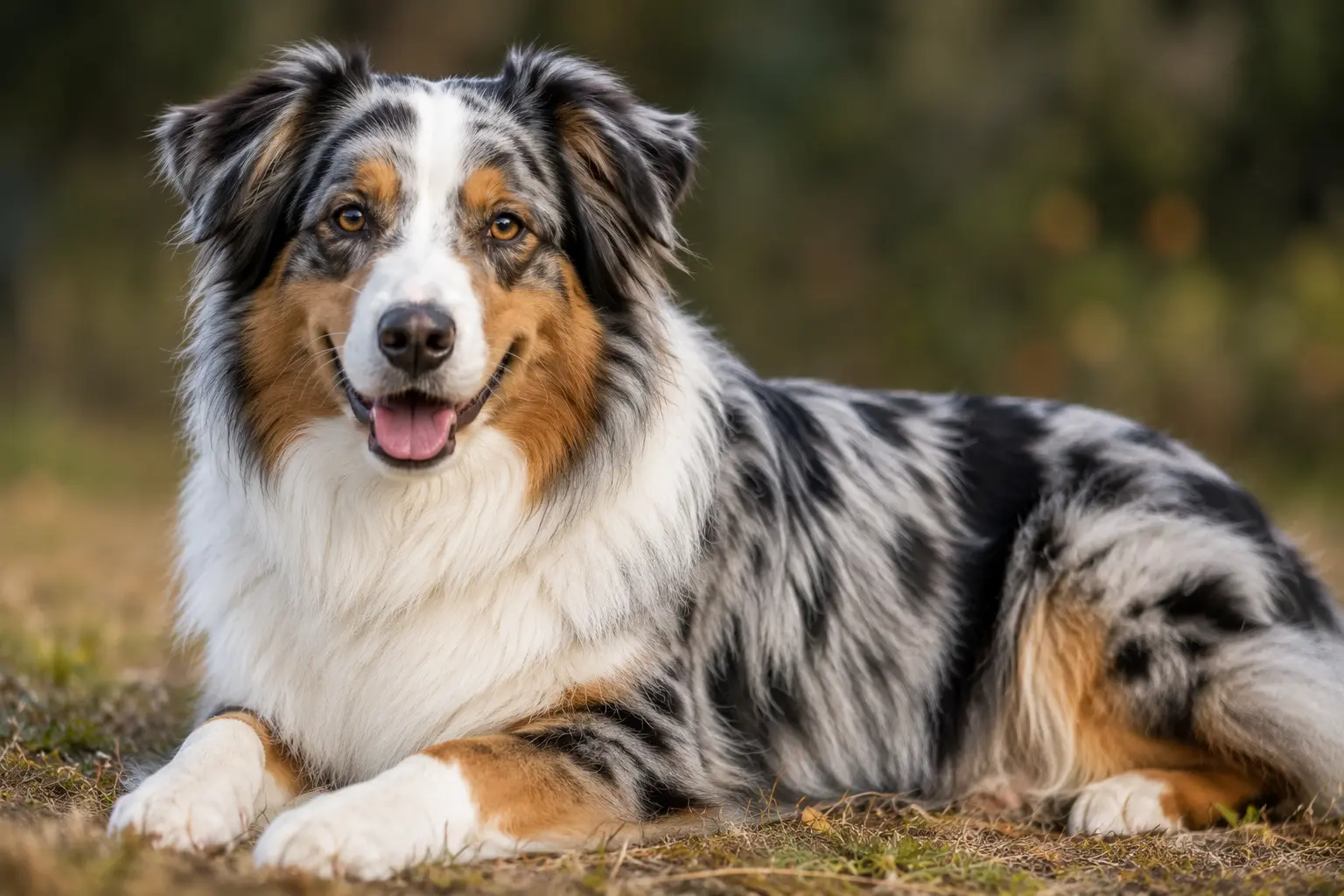
The Australian Shepherd is a medium-sized herding breed known for its intelligence, athleticism, loyalty, and distinctive coat. Originally developed as a working dog, the breed typically thrives with plenty of exercise, mental stimulation, and consistent training. Its active lifestyle, double coat, and breed-specific health needs can also influence the ongoing cost of ownership.
Australian Shepherd puppy price and adoption cost
| Route | Typical price | Planning note |
|---|---|---|
| Adoption or rescue | $50–$400 | Shelter or breed-rescue adoption often includes spay/neuter, first vaccines, and microchipping, which can reduce separate startup costs. |
| Responsible breeder | $800–$2,500 | Ask breeders for OFA hip and elbow information, current eye exam/CAER history, MDR1 status, and epilepsy history in the line. Avoid sellers who market merle color above health documentation, rush pickup, or cannot explain temperament and activity needs. |
First-year cost breakdown
| Item | Low | High | Planning note |
|---|---|---|---|
| Adoption fee or breeder price | $100 | $2,500 | |
| Spay/neuter | $180 | $500 | |
| Puppy vaccine series and initial vet exam | $180 | $350 | |
| Crate, bed, bowls, leash, collar, harness, and grooming tools | $300 | $650 | |
| Food and treats (first year) | $500 | $950 | |
| Puppy class and early training | $150 | $500 | |
| Microchip and registration | $50 | $100 | |
| Flea, tick, and heartworm prevention | $180 | $360 | |
| Optional MDR1 test or early orthopedic/eye screening | $60 | $300 | |
| First-year scenario range | $1,700 | $6,210 | The low scenario uses the least expensive acquisition route plus lower setup and care estimates. The high scenario uses the highest acquisition route plus higher estimates. Adoption and breeder prices are alternatives, not costs added together. |
How much does an Australian Shepherd cost per month, year, and lifetime?
Typical monthly cost: $242
Typical annual cost: $2,900
Estimated lifetime cost: $37,700
Planning lifespan: 13 years
Budget levels
| Care level | Monthly | Annual | What it includes |
|---|---|---|---|
| Budget | $200 | $2,400 | Routine preventive care, mainstream food, mostly DIY grooming, owner-led exercise, and basic training maintenance. |
| Standard | $242 | $2,900 | Mid-tier food, routine vet care, seasonal grooming, structured training, enrichment, and an emergency reserve. |
| Premium | $342 | $4,100 | Premium food, insurance or higher emergency savings, more professional grooming, private training, dog sports, daycare, or pet sitting. |
Main cost drivers
| Category | Share | Lifetime estimate | Planning note |
|---|---|---|---|
| Food & treats | 33% | $12,441 | |
| Vet & medical | 28% | $10,556 | |
| Grooming | 17% | $6,409 | |
| Supplies & toys | 14% | $5,278 | |
| Boarding & misc | 8% | $3,016 |
How much does an Australian Shepherd eat — and what it costs
Typical daily amount: About 2 to 3 cups of dry food per day for a typical 40-65 lb adult, adjusted for age, activity level, body condition, and whether the dog is working, hiking, or doing dog sports.
| Food level | Monthly range | Examples |
|---|---|---|
| Budget food | $40-$65/month | Mainstream adult dog formulas or store-brand large-bag kibble |
| Standard food | $65-$95/month | Mid-tier active-dog formulas with higher protein and better digestibility |
| Premium food | $95-$140/month | Premium, sport-dog, limited-ingredient, or veterinary-guided diets when recommended |
Annual range: $500-$1,700/year depending on calorie need, treat use, brand tier, and activity level.
Australian Shepherds often eat more than a low-energy dog of similar size because many are very active. The practical budget risk is not just kibble; training treats, puzzle-feeder refills, chews, and sport rewards can add up.
Training costs for an Australian Shepherd
| Training option | Typical cost |
|---|---|
| Group puppy class | $100–$300 for 6–8 weeks |
| Private trainer | $75–$150 per session |
| Board-and-train | $1,000–$3,000 for 2–4 weeks |
| Online program | $50–$200 one time |
| Sport or enrichment classes | $120–$250 per class block |
If training is delayed: Without enough structure, an Australian Shepherd may develop barking, fence running, herding, reactivity, or destructive behavior. Repairs and extra training can add $300–$1,500+ in a difficult year.
Grooming costs for an Australian Shepherd
At-home care: A slicker brush, undercoat rake, comb, nail tools, ear cleaner, shampoo, and a strong vacuum usually cost about $75–$180 upfront.
Professional care: Bath, blowout, nail trim, and de-shed appointments commonly cost $60–$150+.
Annual range: $300–$1,000 per year, depending on coat density and professional grooming frequency.
Coat and shedding: Expect year-round shedding with heavier seasonal coat blows.
Australian Shepherd health risks and veterinary costs
Australian Shepherd health costs are mainly linked to hips, inherited eye disease, epilepsy, and MDR1 drug sensitivity.
Before buying, ask for orthopedic records, current eye-screening history, MDR1 status, and seizure history in the family line.
| Condition | Risk | Potential cost | What to watch for |
|---|---|---|---|
| Hip dysplasia | Moderate orthopedic risk; ask for OFA hip results and family history before purchase | $800-$2,500 for diagnostics and management; $4,500-$7,000+ for major surgery | Limping, bunny-hopping, reluctance to jump, stiffness after exercise, or reduced rear-end strength |
| MDR1 drug sensitivity | Breed-linked genetic risk; testing is inexpensive compared with the cost of a preventable drug reaction | $60-$150 for genetic testing; emergency treatment can cost $500-$2,500+ if a serious reaction occurs | History of medication sensitivity, tremors, weakness, vomiting, disorientation, or collapse after certain drugs |
| Epilepsy and seizure disorders | Elevated breed concern compared with many companion breeds; ask about seizure history in the family line | $500-$2,000+ for diagnostics; $600-$3,000/year for medication, monitoring, and follow-up in ongoing cases | Seizures, staring episodes, collapse, twitching, confusion after episodes, or sudden behavior changes |
| Heritable eye conditions | Breed-relevant risk; responsible breeders should discuss eye exam history and screening | $150-$500+ for exams and monitoring; surgery or specialist care can cost $1,000-$4,000+ depending on condition | Cloudiness, bumping into objects, squinting, night-vision issues, or redness |
Insurance and emergency planning for Australian Shepherd
Typical premium: $35–$60 per month
Insurance can help with orthopedic surgery, seizure diagnostics, eye disease, and accidental injuries from an active lifestyle.
When to enroll: Compare plans before hip, seizure, eye, injury, or chronic medication history appears.
Coverage considerations: Pre-existing orthopedic findings, seizures, eye disease, prior injuries, and drug reactions may affect coverage.
Emergency-fund alternative: Without insurance, keep a separate $2,000–$4,000 reserve for diagnostics, injury care, or urgent surgery.
An emergency fund can work for some households. Insurance may be more useful if you want protection against orthopedic surgery, seizure diagnostics, eye care, or accidental injury.
Hidden costs of owning an Australian Shepherd
- Regular help can cost $20–$35 per walk, $30–$55 per daycare day, or $300–$700 per month.
- Private help for reactivity, herding, barking, or impulse control often costs $75–$150 per session.
- Puzzle toys, chews, tug gear, and training rewards can add $15–$40 per month.
- Undercoat tools, vacuum filters, washable covers, and seasonal de-shed services add recurring cost.
- Keep $2,000–$4,000 available if you do not use insurance.
- The first year is expensive because setup, preventive care, grooming tools, food, and training arrive at once. High-drive puppies may also need more classes or private training than lower-energy breeds.
- The double coat needs regular brushing, especially during seasonal shedding. If your schedule cannot support daily exercise, dog walking, daycare, or pet sitting can become a major recurring cost.
Australian Shepherd versus similar breeds
| Breed | Annual cost | Lifetime cost | Planning lifespan |
|---|---|---|---|
| Border Collie | $2,800 | $36,400 | 13 years |
| German Shepherd | $3,200 | $35,200 | 11 years |
| Labrador Retriever | $2,900 | $34,800 | 12 years |
How to save without under-caring
- Run an MDR1 test early. A $60–$150 test can prevent avoidable medication risk.
- Use a group puppy class before behavior problems become expensive.
- Build daily exercise into your routine before relying on daycare every week.
- Brush through shedding seasons at home to reduce professional de-shed costs.
- Ask for hip, eye, MDR1, and family seizure records before paying extra for color or lineage.
Is an Australian Shepherd a good financial fit?
Australian Shepherds fit households that can cover about $242 per month, maintain emergency savings, and consistently provide daily exercise, training, and mental enrichment.
A stronger fit when
- Households that want an active, trainable dog and can budget for structured exercise.
- Owners willing to stay consistent with grooming, training, and preventive care.
- People comfortable keeping an emergency reserve or comparing insurance carefully.
- Families who want a realistic long-term budget before adopting.
Harder to sustain when
- Your monthly pet budget is already tight.
- You want a low-stimulation, low-exercise breed.
- You do not have time for daily training, exercise, and mental enrichment.
- A moderate vet bill would be difficult to absorb without debt.
Frequently asked questions
Australian Shepherd cost questions
How much does an Australian Shepherd cost?
An Australian Shepherd puppy usually costs $800 to $2,500 from a responsible breeder. Adoption commonly costs $50 to $400.
How much does an Australian Shepherd puppy cost?
Most Australian Shepherd puppies cost about $800 to $2,500. Price varies with location, lineage, health testing, registration, and included care.
How much does an Australian Shepherd cost in the first year?
First-year costs usually range from about $1,700 to $5,210. The low end assumes adoption and basic setup; the high end assumes a breeder puppy and higher care costs.
How much does an Australian Shepherd cost per month?
A standard Australian Shepherd budget is about $242 per month. Training, grooming, daycare, insurance, and medical needs can push the total higher.
How much does an Australian Shepherd cost per year?
Australian Shepherds typically cost $2,400 to $4,100 per year, with $2,900 as a practical standard-care estimate.
Are Australian Shepherds expensive to own?
They are moderately expensive. Training, daily exercise, grooming, food, and inherited health risks make them costlier than many low-maintenance breeds.
How much does an Australian Shepherd eat per day?
Most adults eat about 2 to 3 cups of dry food per day, adjusted for size, age, activity, and body condition.
Is pet insurance worth it for an Australian Shepherd?
It may be worth comparing if orthopedic surgery, seizure diagnostics, eye care, or injury costs would be difficult to pay from savings.
How much does Australian Shepherd grooming cost?
Most households should budget about $300 to $1,000 per year for grooming tools, coat care, and occasional professional services.
Do Australian Shepherds need expensive training?
Many benefit from early structured training. Group classes cost about $100 to $300, while private sessions commonly cost $75 to $150 each.
How much does it cost to own an Australian Shepherd for 13 years?
At about $2,900 per year, the standard 13-year lifetime estimate is roughly $37,700.
What is the average Australian Shepherd price in the U.S.?
A responsibly bred Australian Shepherd puppy commonly costs about $800 to $2,500 in the U.S. Adoption through a shelter or rescue is usually much less, often around $50 to $400.
Sources and trust
Breed and health references
Methodology
How these estimates are built
These planning ranges combine acquisition, first-year setup, recurring care, breed-specific risks and regional price differences. They are budgeting estimates rather than provider quotes.
Read the full methodology →