
Quick answer
How much does a Beagle cost?
Beagle ownership typically costs about $225/month or $2,700/year on a standard-care budget. Using a planning lifespan of 12-15 years, with 13 years used for the calculator estimate, that comes to about $35,100 over a lifetime. Food, ear care, weight management, training, escape prevention, and routine vet care shape long-term cost more than many owners expect. This guide breaks down monthly, first-year, annual, and lifetime expenses based on our methodology and data sources.
About breed
About the Beagle
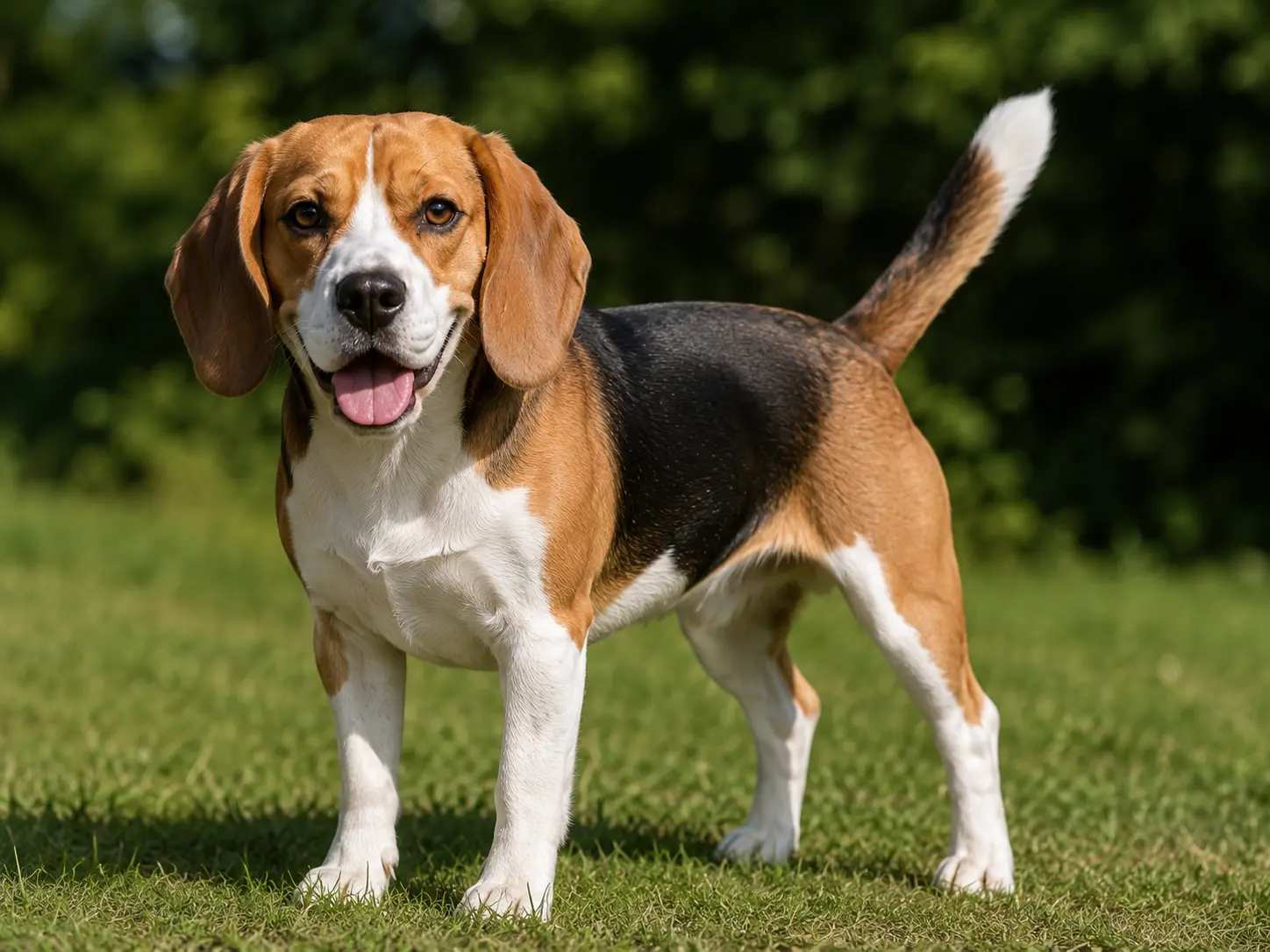
The Beagle is a dog breed with a typical lifespan of 12-15 years. This guide explains its everyday care needs, important health considerations, and the ownership choices that shape long-term costs.
Beagle purchase or adoption cost
| Route | Typical price | Planning note |
|---|---|---|
| Adoption or rescue | $50–$400 | Shelter or Beagle-rescue adoption often includes spay/neuter, first vaccines, and microchipping, which can reduce separate startup costs. |
| Responsible breeder | $800–$2,500 | Ask breeders for hip information, eye exam history, MLS/NCCD testing where relevant, thyroid history, seizure history, and proof that puppies are raised with early socialization. Avoid sellers who cannot provide records, rush pickup, or dismiss Beagle escape and food-management needs. |
First-year cost breakdown
| Item | Low | High | Planning note |
|---|---|---|---|
| Adoption fee or breeder price | $50 | $2,500 | |
| Spay/neuter | $180 | $500 | |
| Puppy vaccine series and initial vet exam | $180 | $350 | |
| Crate, bed, bowls, leash, collar, harness, and ID tags | $260 | $550 | |
| Food and treats (first year) | $450 | $850 | |
| Puppy class and scent-hound recall training | $150 | $500 | |
| Microchip and registration | $50 | $100 | |
| Flea, tick, and heartworm prevention | $180 | $360 | |
| Ear cleaner, nail tools, brush, and early grooming supplies | $60 | $180 | |
| First-year scenario range | $1,560 | $5,890 | The low scenario uses the least expensive acquisition route plus lower setup and care estimates. The high scenario uses the highest acquisition route plus higher estimates. Adoption and breeder prices are alternatives, not costs added together. |
Monthly, annual, and lifetime budget
Typical monthly cost: $225
Typical annual cost: $2,700
Estimated lifetime cost: $35,100
Planning lifespan: 13 years
Budget levels
| Care level | Monthly | Annual | What it includes |
|---|---|---|---|
| Budget | $183 | $2,200 | Routine preventive care, mainstream food, mostly DIY grooming, owner-led exercise, basic training, and careful portion control. |
| Standard | $225 | $2,700 | Mid-tier food, routine vet care, ear-cleaning supplies, training maintenance, enrichment, and an emergency reserve. |
| Premium | $317 | $3,800 | Premium food, insurance or higher emergency savings, more professional grooming, private training, dog walking, boarding, or daycare. |
Main cost drivers
| Category | Share | Lifetime estimate | Planning note |
|---|---|---|---|
| Food & treats | 34% | $11,934 | |
| Vet & medical | 26% | $9,126 | |
| Supplies & toys | 17% | $5,967 | |
| Grooming | 12% | $4,212 | |
| Boarding & misc | 11% | $3,861 |
How much does a Beagle eat — and what it costs
Typical daily amount: About 1.25 to 2 cups of dry food per day for a typical 20-30 lb adult, adjusted for age, activity level, body condition, and treat intake.
| Food level | Monthly range | Examples |
|---|---|---|
| Budget food | $30-$45/month | Store-brand or mainstream adult dog formulas |
| Standard food | $45-$70/month | Mid-tier adult dog food plus measured training treats |
| Premium food | $70-$110/month | Higher-protein, limited-ingredient, or veterinary-guided diets when recommended |
Annual range: $450-$1,300/year depending on calorie needs, treat use, food quality, and whether weight-management formulas are needed.
Beagles often eat less than large dogs but can still cost more than owners expect because food motivation leads to extra treats, counter-surfing prevention, and weight-management planning.
Training costs for a Beagle
Group puppy class usually costs $100-$300. Private help for recall, leash pulling, barking, separation issues, or scent-driven roaming can cost $75-$150 per session. Skipping training can lead to escape repairs, damaged items, or repeated management purchases.
| Training option | Typical cost |
|---|---|
| Group puppy class | $100-$300 for 6-8 weeks |
| Private trainer | $75-$150/session, often 4-8 sessions for recall, leash pulling, barking, or escape behavior |
| Board-and-train | $1,000-$3,000 for 2-4 weeks when behavior or recall issues are difficult to manage |
| Online training programs | $50-$200 one-time for scent-hound recall, enrichment, or leash-work structure |
| Scent work or enrichment classes | $100-$250 for a short class series when available |
If training is delayed: Without training and containment, Beagles can create costs through escape attempts, chewed items, damaged gates, repeated leash purchases, or emergency vet visits after roaming.
Grooming costs for a Beagle
At-home care: Beagles have short coats, so at-home grooming is realistic. Budget $25-$80 upfront for a rubber curry brush, nail clippers or grinder, ear cleaner, shampoo, and toothbrush supplies.
Professional care: Professional grooming is optional for many Beagles. Nail trims, baths, or ear-cleaning visits usually cost $15-$75 per visit depending on market and service level.
Annual range: $100-$500/year for most households, with more if you outsource nail trims, baths, ear cleaning, or dental maintenance.
Coat and shedding: Shedding is moderate and often steady. Weekly brushing helps with hair control, while weekly ear checks are more important for preventing recurring vet bills.
Beagle health risks and veterinary costs
Beagle health costs are often linked to body shape and behavior rather than extreme fragility. Floppy ears increase ear-care needs, strong food drive increases obesity risk, and scent-driven independence can raise accident or escape-related costs if containment and recall training are weak.
| Condition | Risk | Potential cost | What to watch for |
|---|---|---|---|
| Ear infections | Very common recurring risk because floppy ears can trap moisture and debris | $150-$400/episode; chronic cases can cost more with cultures or follow-up visits | Head shaking, scratching, odor, redness, discharge, pain, or sensitivity when ears are touched |
| Epilepsy | Elevated breed concern; ask breeders about seizure history in the family line | $500-$2,000+ for diagnostics; $800-$3,000/year for ongoing medication and monitoring in more serious cases | Seizures, collapse, staring episodes, paddling, confusion after an episode, or sudden behavior changes |
| Hypothyroidism | Moderate adult-dog risk that can increase with age | $300-$600/year for bloodwork and medication in many managed cases | Weight gain, lethargy, hair thinning, cold intolerance, skin changes, or recurring infections |
| Obesity and joint strain | Very common practical risk because Beagles are food-motivated and gain weight easily | $500-$2,000+ long-term through extra exams, diet food, supplements, and joint care | Loss of waistline, reduced stamina, stiffness, heavy breathing, reluctance to exercise, or rapid weight gain |
Insurance and emergency planning for Beagle
Typical premium: $30–$50 per month
Insurance can make sense if you want protection against a larger unexpected medical bill, especially seizure diagnostics, injury care after an escape, ear complications, orthopedic workups, or chronic endocrine disease.
When to enroll: Compare plans early, ideally before seizure history, chronic ear infections, thyroid disease, weight-related joint issues, or recurring skin problems appear in the medical record.
Coverage considerations: Insurers may scrutinize pre-existing ear disease, seizure history, hypothyroidism, obesity-related orthopedic issues, allergies, and prior injuries.
Emergency-fund alternative: If insurance does not pencil out, keep a separate $1,500-$3,000 emergency fund for urgent diagnostics, injury care, seizure workups, or surgery.
For this breed, an emergency fund can be a practical alternative to insurance for some households. Insurance may still appeal if you prefer predictable monthly costs or want protection against a larger seizure, injury, or emergency event.
Hidden costs of owning Beagle
- The first year often feels more expensive because setup costs arrive early. Supplies, preventive care, food, puppy training, containment gear, and acquisition price are front-loaded, which can push early spending above the long-term monthly average.
- Routine care is only part of the budget. Grooming is usually light for this short-coated breed, but boarding, pet sitting, dog walking, daycare, and training can rise quickly if the dog is under-exercised or difficult to contain.
Beagle versus similar breeds
| Breed | Annual cost | Lifetime cost | Planning lifespan |
|---|---|---|---|
| Labrador Retriever | $2,900 | $34,800 | 12 years |
| Dachshund | $2,650 | $37,100 | 14 years |
| Yorkshire Terrier | $2,800 | $39,200 | 14 years |
How to save without under-caring
- Clean and check ears weekly with a $10-$20 cleaner recommended by your vet. Preventing one $150-$400 ear-infection visit can pay for the supplies many times over.
- Use measured meals and count training treats. Beagles gain weight easily, and avoiding obesity can reduce future joint, thyroid, and diet-food costs.
- Invest once in secure walking and containment gear. A sturdy harness, ID tag, microchip, and gate checks cost less than escape-related vet bills.
- Use scent games and puzzle feeding at home instead of outsourcing every exercise need. A few durable enrichment tools can save hundreds per year.
- Choose breeders or rescues that disclose seizure, thyroid, eye, and orthopedic history. A lower purchase price is not a bargain if it comes with avoidable health uncertainty.
Is Beagle a good financial fit?
Beagles are best suited to households that can consistently set aside about $225/month for routine care, maintain a separate $1,500-$3,000 emergency reserve, and budget time or money for exercise, ear care, and training.
A stronger fit when
- Households that want a friendly scent hound and can budget for training, food control, and ear care.
- Owners willing to stay consistent with exercise, leash manners, recall work, and secure containment.
- People comfortable keeping an emergency reserve or comparing insurance carefully.
- Families who want a realistic long-term budget before adopting.
Harder to sustain when
- Your monthly pet budget is already tight.
- A moderate vet bill would be difficult to absorb without debt.
- You do not want to manage food motivation, barking, scent tracking, or escape prevention.
Frequently asked questions
Beagle cost questions
How much does a Beagle cost per month?
A Beagle typically costs about $225 per month on a standard-care budget, with many households landing between about $183 and $317 per month depending on food, training, grooming, boarding, insurance, and medical needs.
How much does a Beagle cost per year?
Beagles typically cost about $2,200 to $3,800 per year, with $2,700 as a practical standard-care planning estimate.
How much does a Beagle cost over its lifetime?
Using a 13-year planning estimate within a typical 12-15 year lifespan range, a Beagle costs about $35,100 over its lifetime on a standard-care budget.
How much does a Beagle cost in the first year?
The first year usually costs about $2,200 to $4,500, depending mostly on adoption versus breeder price, starter supplies, early vet care, food, training, parasite prevention, and grooming supplies.
Are Beagles expensive to own?
Beagles are usually a low-to-moderate cost breed compared with many dogs, but food control, ear care, training, containment, and possible seizure or thyroid care can push costs above a basic budget.
How much does a Beagle eat per day?
Most adult Beagles eat about 1.25 to 2 cups of dry food per day, adjusted for weight, age, activity level, treats, and body condition. Portion control matters because Beagles are food-motivated and obesity-prone.
Is pet insurance worth it for a Beagle?
Pet insurance may be worth comparing if you want protection against a larger seizure-related, injury-related, ear-related, or emergency vet bill. For some households, a dedicated $1,500 to $3,000 emergency fund can be a reasonable alternative.
How much does it cost to groom a Beagle?
Most households should budget about $100 to $500 per year for Beagle grooming, depending on whether nail trims, baths, ear cleaning, and dental maintenance are done at home or outsourced.
Why do Beagles need training if they are small?
Beagles are scent hounds, so recall, leash manners, food manners, and containment training matter. Group classes usually cost $100 to $300, while private help for roaming, barking, or leash issues can cost $75 to $150 per session.
Sources and trust
Breed and health references
Methodology
How these estimates are built
These planning ranges combine acquisition, first-year setup, recurring care, breed-specific risks and regional price differences. They are budgeting estimates rather than provider quotes.
Read the full methodology →