
Quick answer
How much does a Maine Coon cost?
A Maine Coon kitten usually costs $1,200–$2,500 from a responsible breeder, while adoption commonly costs $75–$300. First-year ownership costs about $1,205–$5,080.
After the first year, plan for roughly $183 per month, $2,200 per year, and about $30,800 over 14 years. Large food portions, XL equipment, grooming, and heart screening are the biggest long-term costs.
About breed
About the Maine Coon
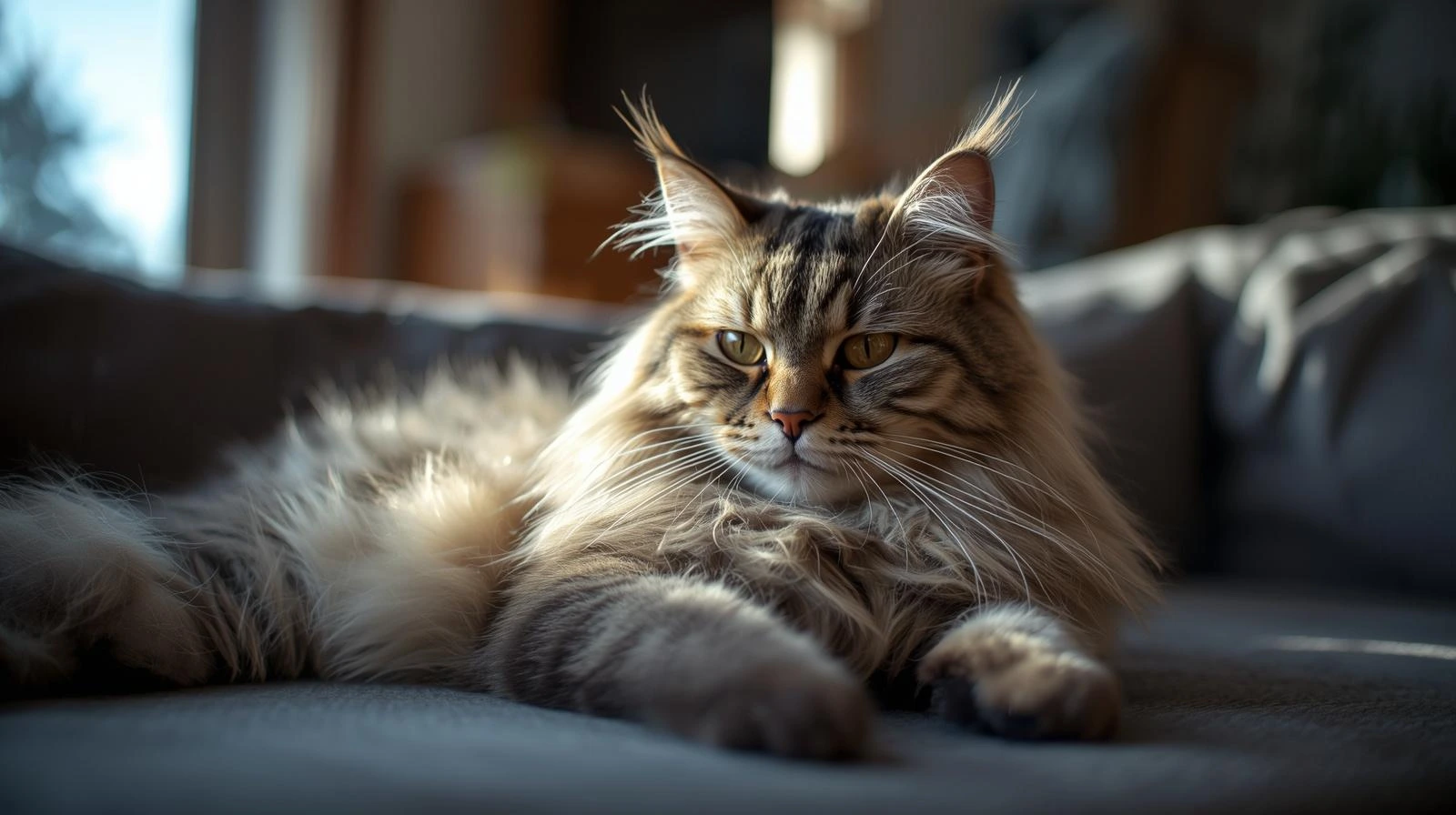
Maine Coons are famous for their giant size, thick semi-long coat, friendly personality, and gentle “dog-like” social nature. Many people choose them because they are impressive, affectionate, playful, and often comfortable around families.
Maine Coon purchase or adoption cost
| Route | Typical price | Planning note |
|---|---|---|
| Adoption or rescue | $75–$300 | Adopting from a shelter or rescue may include spay/neuter, vaccinations, and microchipping, which can reduce separate setup costs. |
| Responsible breeder | $1,200–$2,500 | Reputable Maine Coon breeders should provide cardiac screening history, HCM genetic testing where relevant, hip and joint history, SMA testing information, early veterinary records, and clear socialization details. Avoid sellers who focus only on giant size or rare color without health documentation. |
First-year cost breakdown
| Item | Low | High | Planning note |
|---|---|---|---|
| Adoption or rescue fee | $75 | $300 | May include early care such as vaccines, microchip, or spay/neuter depending on the rescue. |
| Maine Coon kitten price from breeder | $1,200 | $2,500 | Responsible breeders should provide health records, HCM/SMA screening information, and clear contract terms. |
| Spay/neuter | $150 | $400 | |
| Initial vet exam and vaccines | $180 | $350 | |
| XL carrier, oversized litter setup, large bed, heavy bowls, and strong scratching gear | $250 | $500 | |
| Food (first year) | $450 | $800 | |
| Wide-tooth comb, undercoat tool, slicker brush, and grooming supplies | $60 | $150 | |
| Microchip and registration | $40 | $80 | |
| Optional early HCM baseline screening or genetic testing | $0 | $300 | |
| First-year scenario range | $1,205 | $5,080 | The low scenario uses the least expensive acquisition route plus lower setup and care estimates. The high scenario uses the highest acquisition route plus higher estimates. Adoption and breeder prices are alternatives, not costs added together. |
Monthly, annual, and lifetime budget
Typical monthly cost: $183
Typical annual cost: $2,200
Estimated lifetime cost: $30,800
Planning lifespan: 14 years
Budget levels
| Care level | Monthly | Annual | What it includes |
|---|---|---|---|
| Budget | $150 | $1,800 | Mainstream food, DIY grooming several times per week, basic XL litter setup, routine vet care, and self-funded emergency savings. |
| Standard | $183 | $2,200 | Better food, reliable litter, strong cat furniture, proper grooming tools, preventive vet care, and emergency reserve planning. |
| Premium | $267 | $3,200 | Premium food, insurance or larger savings, professional grooming help, cardiac monitoring, and faster specialist follow-up when concerns appear. |
Main cost drivers
| Category | Share | Lifetime estimate | Planning note |
|---|---|---|---|
| Food & treats | 36% | $11,088 | |
| Vet & medical | 27% | $8,316 | |
| Grooming | 18% | $5,544 | |
| Supplies | 12% | $3,696 | |
| Boarding & misc | 7% | $2,156 |
How much does a Maine Coon eat — and what it costs
Typical daily amount: Many adult Maine Coons eat about 3/4 to 1 cup of dry food per day, or an equivalent wet-food portion, depending on size, activity, age, and body condition.
| Food level | Monthly range | Examples |
|---|---|---|
| Budget food | $30-$45/month | Mainstream dry food with measured portions |
| Standard food | $45-$75/month | Higher-protein dry food plus some wet food |
| Premium food | $75-$120/month | Wet-heavy diets, premium high-protein formulas, or veterinary-guided diets when needed |
Annual range: $450-$1,400/year depending on wet-food share, body size, calorie needs, and brand tier.
Maine Coons are large, slow-maturing cats, so food cost is higher than for many smaller indoor cats. Measured meals matter because extra weight adds stress to hips, joints, and heart health. A water fountain and wet-food share can also help support hydration, especially in large cats with long senior years.
Training costs for Maine Coon
Maine Coons are social, clever cats that often respond well to clicker games, handling practice, grooming desensitization, carrier training, and puzzle feeding. The goal is not obedience training; it is making grooming, vet visits, nail trims, and enrichment easier for a giant long-haired cat.
Grooming costs for a Maine Coon
At-home care: Maine Coons need more than a quick surface brush. A wide-tooth comb, slicker brush, undercoat tool, nail trimmers, toothbrush, and mat-prevention routine are usually part of the home kit. Budget about $60-$150 upfront for tools that can reach through the dense coat.
Professional care: Professional grooming is not always required, but it becomes useful when mats form around the belly, armpits, ruff, or rear legs. Nail trims, sanitary trims, baths, and dematting visits can range from $40-$150+, with higher costs if the cat needs special handling.
Annual range: $150-$700/year depending on coat density, owner brushing consistency, seasonal shedding, and whether professional dematting is needed.
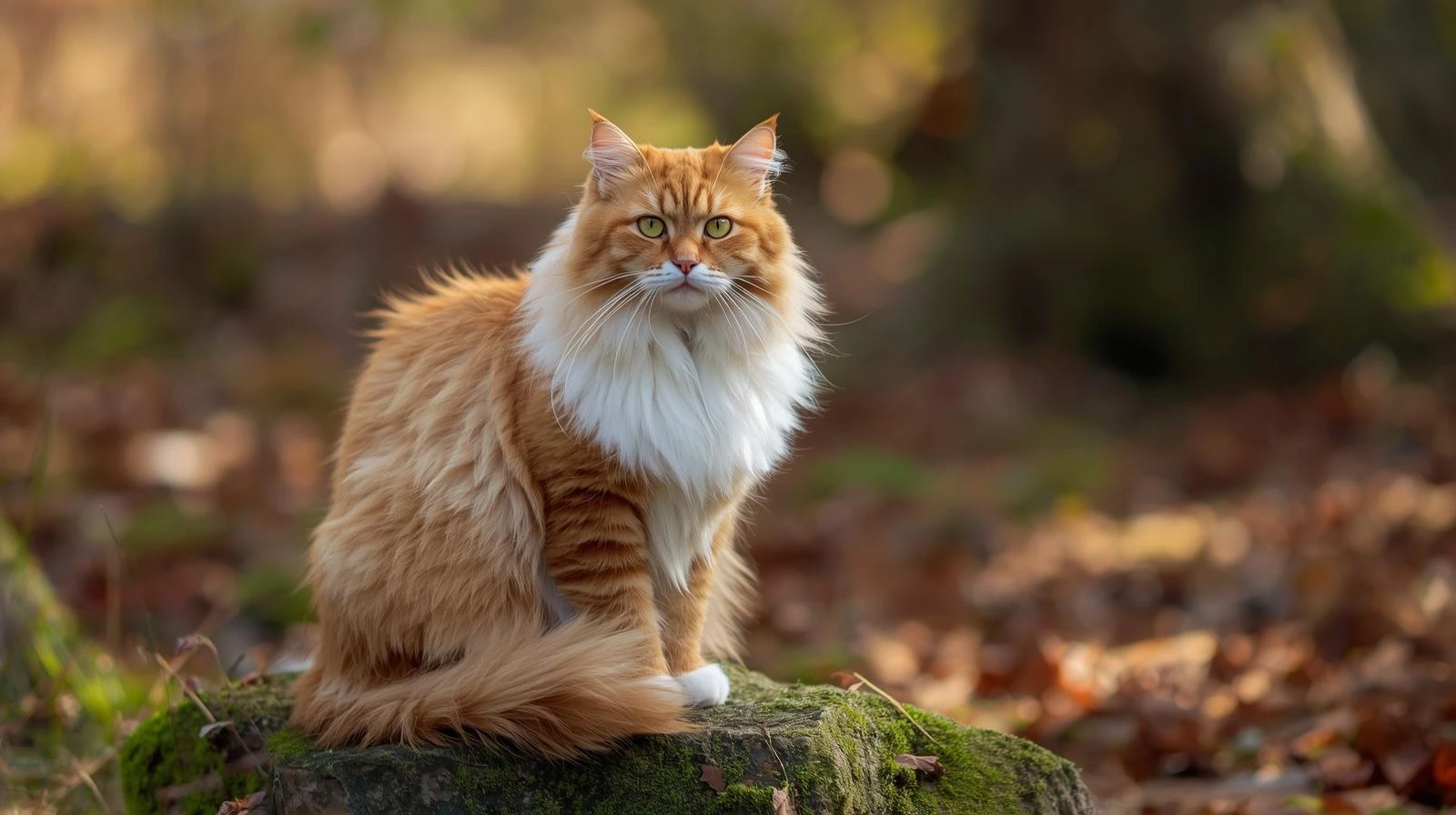
Coat and shedding: Shedding is moderate to heavy, especially during seasonal coat changes. The ruff, belly, tail, and rear-leg feathering need regular combing through to the skin to prevent hidden mats.
Maine Coon health risks and veterinary costs
Maine Coons are known for elevated risk of hypertrophic cardiomyopathy, orthopedic stress, spinal muscular atrophy, and some inherited joint issues. Because they are physically larger than most cats, diagnostics, sedation, imaging, and medication costs can also scale upward over time.
| Condition | Risk | Potential cost | What to watch for |
|---|---|---|---|
| HCM (heart disease) | Breed-relevant cardiac risk; responsible breeders should discuss HCM screening, family history, and whether genetic testing was performed | $300-$700+ for screening or echocardiography in many markets; $1,000-$3,000+ for specialist workups, medication, or emergency care if symptoms appear | |
| Hip dysplasia | Large-body orthopedic risk seen in some lines; weight control and breeder history matter | $500-$2,000+ for diagnostics and pain management; $2,000-$6,000+ if advanced orthopedic treatment is needed | |
| Spinal muscular atrophy | Inherited neuromuscular condition; responsible breeders should disclose SMA testing or line history | $60-$150 for genetic testing; ongoing supportive care varies if symptoms appear | |
| Matting, skin irritation, and coat-related vet visits | Higher risk when the dense coat is not combed through to the skin | $80-$250+ for professional dematting or sanitary trims; $150-$600+ if skin irritation or sedation is involved |
Insurance and emergency planning for Maine Coon
Typical premium: $30–$55 per month
Insurance is often worth comparing for Maine Coons because cardiac monitoring, echocardiograms, orthopedic diagnostics, large-cat sedation, dental work, and specialist visits can create bills that are higher than a typical short-haired indoor cat budget.
When to enroll: Compare plans before any murmur, mobility problem, chronic GI issue, dental disease, or inherited condition is documented. Earlier enrollment usually gives more flexibility around pricing and coverage exclusions.
Insurance is often easiest to justify for Maine Coons when you focus on downside risk: echocardiograms, cardiology consults, hip imaging, sedation, orthopedic care, and emergency hospitalization can all exceed routine cat-care budgets quickly.
Hidden costs of owning Maine Coon
- Many Maine Coons are uncomfortable in standard litter boxes. XL boxes, larger mats, and higher litter usage can add more monthly cost than owners expect.
- A lightweight cat tree may wobble under a large Maine Coon. Stable, wide-platform trees and heavy-duty scratching posts often cost $150-$400+.
- If belly, ruff, or armpit mats tighten against the skin, professional grooming can cost $80-$250+ and may require veterinary help if the cat is painful or difficult to handle.
- Many standard carriers are too small. A sturdy large-cat carrier, larger bedding, and easier vet-transport gear can add $60-$180 upfront.
- HCM screening, hip discomfort, arthritis, or mobility changes can move a Maine Coon from routine care into specialist or diagnostic spending.
- The first year often becomes more expensive than expected because Maine Coons quickly outgrow standard cat equipment. Many owners end up replacing carriers, litter boxes, scratching posts, beds, cat trees, and feeding stations with oversized versions designed for giant breeds.
- Maine Coons have a dense semi-long coat that requires much more maintenance than short-haired breeds. Matting commonly develops around the belly, armpits, rear legs, and chest ruff if brushing becomes inconsistent. Many owners eventually purchase wide-tooth combs, undercoat tools, grooming vacuums, heavy-duty brushes, larger nail trimmers, and oversized carriers designed for giant cats. Professional grooming or sanitary trims may also become necessary for cats that resist handling or develop heavy seasonal shedding.
Maine Coon versus similar breeds
| Breed | Annual cost | Lifetime cost | Planning lifespan |
|---|---|---|---|
| Domestic Shorthair | $1,800 | $27,000 | 15 years |
| Ragdoll | $2,100 | $29,400 | 14 years |
| Norwegian Forest Cat | $2,000 | $28,000 | 14 |
How to save without under-caring
- Brush and comb consistently to prevent matting and reduce the need for professional grooming.
- Plan food purchases carefully. Larger cats eat more, so bulk buying or subscription discounts can help manage ongoing costs.
- Ask for health screening documentation before purchase to reduce the likelihood of inherited-cost surprises.
- Compare insurance early if you want protection from cardiac care, specialist visits, or larger unexpected bills.
Is Maine Coon a good financial fit?
Maine Coons fit households that can comfortably absorb above-average food, grooming, litter, equipment, and veterinary costs over many years. Their size, coat maintenance, and inherited-condition monitoring make them financially heavier than most ordinary indoor cats.
A stronger fit when
- Households with room for above-average food, litter, grooming, and equipment costs.
- Owners willing to comb through the dense coat several times per week and monitor for mats around the belly, armpits, and ruff.
- People who want to plan ahead for breed-specific medical risk.
- Families who prefer a realistic long-term budget before adopting.
Harder to sustain when
- Your monthly budget is already tight.
- You want a short-haired, low-maintenance coat-care routine.
- A specialist vet bill would be difficult to absorb without debt.
Frequently asked questions
Maine Coon cost questions
How much does a Maine Coon cost per year?
Maine Coons typically cost about $1,800 to $3,200 per year, with $2,200 as a practical standard-care planning estimate.
How much does a Maine Coon cost per month?
A Maine Coon typically costs about $183 per month on a standard-care budget, with higher costs if you choose premium food, professional grooming, insurance, or more frequent cardiac monitoring.
Are Maine Coons expensive cats to own?
Yes, Maine Coons are usually more expensive than average cats because food volume, XL supplies, grooming tools, cardiac screening, and orthopedic risk all scale upward with their size and coat type.
How much does a Maine Coon cost in the first year?
First-year Maine Coon ownership typically ranges from about $2,405 to $5,380, depending on breeder pricing, veterinary care, XL setup purchases, grooming tools, and optional cardiac screening.
How long do Maine Coons live?
This model uses an approximate 14-year lifespan and estimates about $30,800 in lifetime cost. Actual totals can be higher with cardiology care, orthopedic treatment, professional grooming, or senior illness.
How much should I budget for Maine Coon grooming?
Most owners should budget $150 to $700 per year for grooming supplies, replacement tools, nail trims, sanitary trims, or professional dematting if the coat becomes difficult to manage.
How much is a Maine Coon kitten?
A Maine Coon kitten from a responsible breeder commonly costs about $1,200 to $2,500. Adoption or rescue is usually $75 to $300.
Why are Maine Coons expensive?
Maine Coons can be expensive because they are large cats with higher food needs, oversized litter and furniture requirements, heavier grooming needs, and breed-relevant health planning for conditions such as HCM and hip dysplasia.
How much does it cost to own a Maine Coon for 14 years?
Using a standard-care budget of about $2,200 per year, a Maine Coon costs roughly $30,800 over 14 years. Actual totals can rise with professional grooming, cardiology care, orthopedic treatment, insurance, or premium food.
Is a Maine Coon more expensive than a regular cat?
Usually yes. Maine Coons tend to cost more than many regular indoor cats because food volume, litter use, grooming, XL supplies, and breed-specific health screening are all higher.
What is the biggest hidden cost of owning a Maine Coon?
The biggest hidden costs are often XL supplies, reinforced cat trees, larger litter boxes, professional dematting, and cardiac or orthopedic monitoring as the cat ages.
Sources and trust
Breed and health references
Methodology
How these estimates are built
These planning ranges combine acquisition, first-year setup, recurring care, breed-specific risks and regional price differences. They are budgeting estimates rather than provider quotes.
Read the full methodology →