
Pet Ownership Cost in Pennsylvania (2026): Dog & Cat Guide
Pet ownership in Pennsylvania costs about $2,900/year for a dog and $1,800/year for a cat. Compare monthly costs, vet fees and PA cities.
How much does pet ownership cost in Pennsylvania?
Pet ownership in Pennsylvania costs about $2,900 per year for a dog and $1,800 per year for a cat on our standard-care model. That works out to roughly $242 per month for a dog and $150 per month for a cat. Costs can be higher in Philadelphia, while Pittsburgh, Harrisburg, Allentown and Erie may be more affordable depending on veterinary care, housing and pet services.
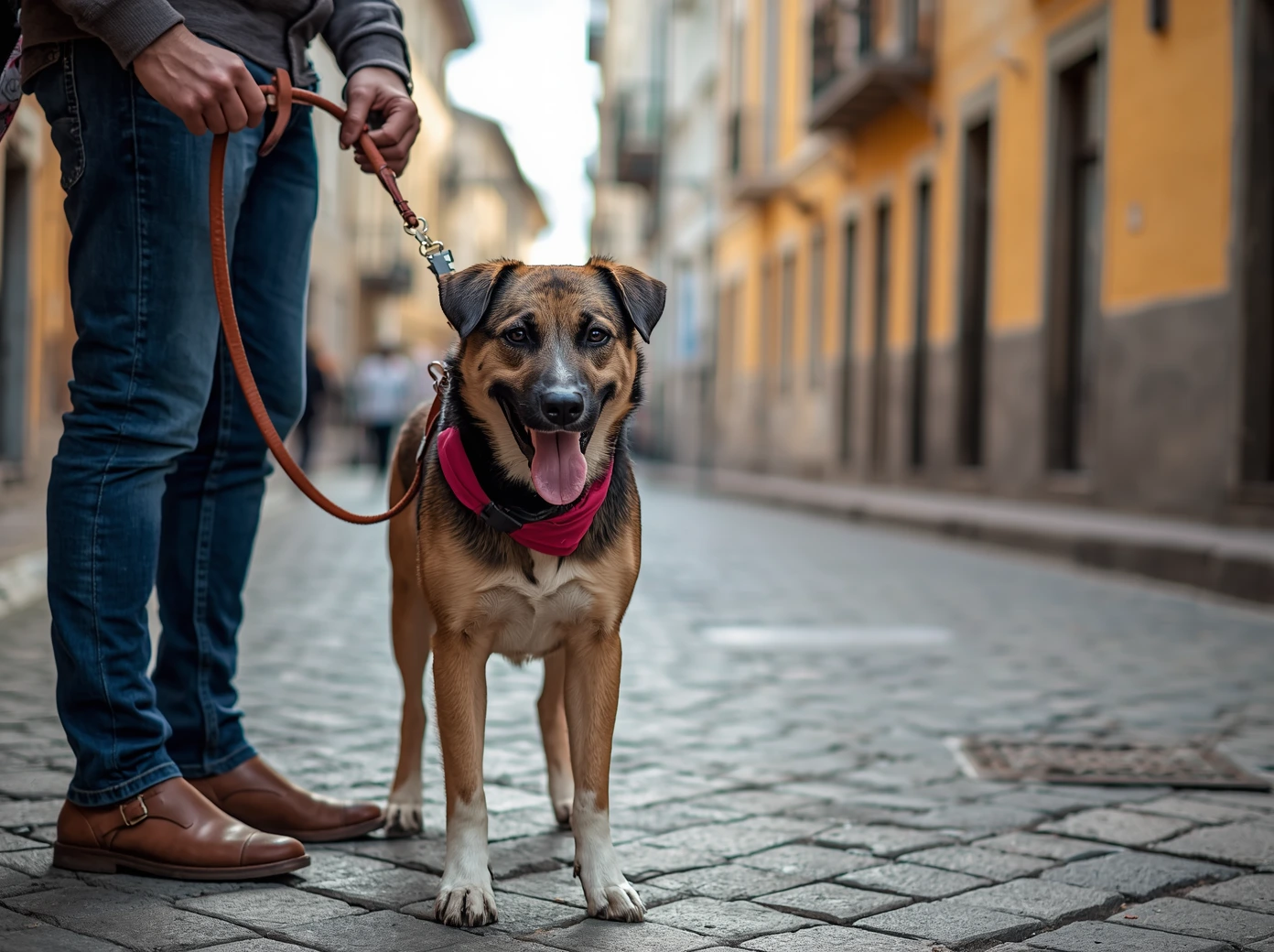
Typical Dog and Cat Costs in Pennsylvania
Food and routine veterinary care form the base of most pet budgets, while insurance, grooming, boarding and unexpected medical care can raise annual spending.
Annual Dog Costs
| Expense | Annual Range |
|---|---|
| Food | $250–$900 |
| Routine vet care | $260–$1,200 |
| Grooming | $150–$650 |
| Pet insurance | $240–$700 |
| Boarding (10 nights) | $350–$900 |
Annual Cat Costs
| Expense | Annual Range |
|---|---|
| Food | $180–$500 |
| Vet care | $180–$900 |
| Litter & supplies | $140–$350 |
| Pet insurance | $180–$500 |
| Grooming, if needed | $40–$200 |
These categories should not simply be added together as a guaranteed annual total. Emergency care, medication, training and other household-specific expenses can increase the real budget.
Dog owners can compare recurring expenses in the Dog Cost Per Month guide.
Pet Ownership Cost in Pennsylvania by City
Location can meaningfully change your budget. Philadelphia sits toward the higher-cost end in this planning model, while Erie and some smaller Pennsylvania markets are more affordable.
These are planning estimates rather than local provider quotes. Breed, health, housing and the amount of paid pet care you use may matter as much as location.
What Can Increase Pet Costs in Pennsylvania?
Pennsylvania combines high-cost urban areas with more affordable smaller cities, suburbs and rural communities, so local conditions can have a meaningful effect on pet expenses.
Veterinary care, grooming, boarding, dog walking and daycare can cost more in Philadelphia than in many smaller Pennsylvania markets.
Pet deposits, monthly pet rent and building restrictions can add to the true cost of pet ownership for renters.
Winter weather, summer heat, travel and outdoor activity can affect equipment, exercise and preventive-care expenses.
Philadelphia and other major markets provide access to specialty care, but advanced treatment can significantly increase medical spending.
Pennsylvania Pet Costs vs US Average
Pennsylvania sits relatively close to the national pet-cost baseline in this planning model, although Philadelphia may trend higher for professional services.
| Service | Pennsylvania | US Planning Range |
|---|---|---|
| Routine vet visit | $55–$90 | $55–$85 |
| Dog grooming | $45–$85 | $50–$90 |
| Dog boarding / night | $35–$65 | $35–$65 |
| Dog walking / 30 min | $15–$28 | $15–$25 |
| Dog insurance / month | $43–$70 | $45–$75 |
These ranges are intended for budgeting rather than as provider quotes. Individual clinics and service businesses may charge more or less.
For a broader medical-cost breakdown, see the Vet Visit Cost guide.
Pet Insurance and Emergency Planning in Pennsylvania
Insurance can help reduce exposure to large veterinary bills, but it is not automatically the best choice for every household.
Compare expected premiums with the amount you could realistically keep available in savings for emergency treatment.
Pennsylvania Pet Cost Examples
Breed health risk and local pricing can move a household's annual budget well above or below the statewide average.
A medium-to-large dog in a higher-cost Pennsylvania market may need a larger budget for food, boarding and veterinary care.
Labrador Retriever cost guide →Higher breed-related medical risk can make this dog expensive even outside Pennsylvania's highest-cost metro.
French Bulldog cost guide →A lower-maintenance cat in a more affordable market may remain below the statewide planning average.
Domestic Shorthair cost guide →These examples are planning scenarios rather than guaranteed annual expenses.
How to Save on Pet Costs in Pennsylvania
Compare veterinary, dental, grooming and boarding prices in your own city rather than relying only on statewide averages.
Check breed-specific medical, grooming and food costs before adopting or buying a dog.
Ask your veterinarian which parasite-prevention measures and vaccines fit your pet's lifestyle and local exposure.
If you rent, include pet deposits, recurring pet rent and building-specific fees in your housing budget.
Compare pet insurance with an emergency fund before deciding how you would handle a large unexpected veterinary bill.
Calculate Your Own Pennsylvania Pet Costs
State averages are useful starting points, but your pet's breed, age, health, housing and lifestyle determine the budget that matters most for your household.
Pet Cost FAQs for Pennsylvania
How much does pet ownership cost in Pennsylvania per month?
A standard-care dog budget in Pennsylvania is about $242 per month in our model, while a cat averages about $150 per month. Actual spending varies by breed, city, health needs, housing, and use of services such as grooming or boarding.
How much does a dog cost per year in Pennsylvania?
Our standard-care estimate is about $2,900 per year for a dog in Pennsylvania. Food, routine veterinary care, grooming, insurance, boarding, and unexpected medical expenses can move the actual total higher or lower.
How much does a cat cost per year in Pennsylvania?
Our standard-care estimate is about $1,800 per year for a cat in Pennsylvania, or roughly $150 per month. Food, litter, veterinary care, insurance, and medical needs are the main variables.
Is Pennsylvania expensive for pet owners?
Pennsylvania is relatively moderate in our model, but costs vary considerably within the state. Philadelphia can be more expensive for veterinary and pet services, while smaller cities may offer lower routine costs.
What is the cheapest Pennsylvania city for pet ownership?
In our comparison model, Erie is among the more affordable Pennsylvania cities included. Actual costs depend on local veterinary prices, housing, pet size, and how often you use paid services.
Is it cheaper to own a cat or dog in Pennsylvania?
A cat is generally cheaper to own than a dog in Pennsylvania. Cats usually require less food and may have lower boarding, grooming, equipment, and paid-exercise costs.
How much are vet visits in Pennsylvania?
Our planning range for a routine veterinary visit in Pennsylvania is roughly $55–$90. Procedures, diagnostics, vaccines, dental treatment, emergency care, and specialist visits can cost considerably more.
Is pet insurance worth it in Pennsylvania?
Pet insurance may be useful if a large unexpected veterinary bill would be difficult to pay from savings. Compare premiums, deductibles, reimbursement rates, exclusions, and your pet's age and health risk before deciding.