
Quick answer
How much does a German Shepherd cost?
German Shepherd ownership typically costs about $267/month or $3,200/year on a standard-care budget. Over an 11-year planning lifespan, total ownership averages about $35,200. The real financial story is not food alone. It is training intensity, hip and elbow risk, GI sensitivity, secure fencing, reactivity prevention, and the cost of keeping a highly intelligent working breed mentally stable. This guide breaks down monthly, annual, first-year, and lifetime costs using our methodology and data sources.
About breed
About the German Shepherd
The German Shepherd is a dog breed with a typical lifespan of 11 years. This guide explains its everyday care needs, important health considerations, and the ownership choices that shape long-term costs.
German Shepherd purchase or adoption cost
| Route | Typical price | Planning note |
|---|---|---|
| Adoption or rescue | $50–$300 | Shelter adoption often includes spay/neuter, first vaccines, and microchipping, which can reduce separate startup costs. |
| Responsible breeder | $800–$2,500 | Reputable breeders should be able to show breed-relevant health testing and explain how they approach inherited risks for German Shepherds. |
First-year cost breakdown
| Item | Low | High | Planning note |
|---|---|---|---|
| Adoption or breeder price | $400 | $2,500 | |
| Spay/neuter | $250 | $550 | |
| Crate, bed, leash, bowls | $220 | $550 | |
| Vaccines and starter vet visits | $250 | $500 | |
| Training classes | $200 | $700 | |
| Food and supplies | $1,280 | $2,400 | |
| First-year scenario range | $2,600 | $7,200 | The low scenario uses the least expensive acquisition route plus lower setup and care estimates. The high scenario uses the highest acquisition route plus higher estimates. Adoption and breeder prices are alternatives, not costs added together. |
Monthly, annual, and lifetime budget
Typical annual cost: $3,200
Estimated lifetime cost: $35,200
Planning lifespan: 11 years
Budget levels
| Care level | Monthly | Annual | What it includes |
|---|---|---|---|
| Budget | $225 | $2,700 | Basic preventive care, mainstream food, DIY grooming, group training, and self-funded emergency savings. |
| Standard | $267 | $3,200 | Quality food, structured training, deshedding tools, orthopedic prevention, parasite prevention, and moderate emergency planning. |
| Premium | $433 | $5,200 | Insurance, private training, sport classes, premium GI-sensitive diets, professional deshedding, and larger emergency reserves. |
Main cost drivers
| Category | Share | Lifetime estimate | Planning note |
|---|---|---|---|
| Vet & medical | 31% | $10,912 | |
| Food & GI diets | 27% | $9,504 | |
| Training & behavior | 18% | $6,336 | |
| Supplies & shedding | 14% | $4,928 | |
| Boarding & misc | 10% | $3,520 |
Training costs for German Shepherd
Training costs are usually higher than average because German Shepherds need socialization, impulse control, leash manners, recall, neutrality around strangers, and clear household rules.
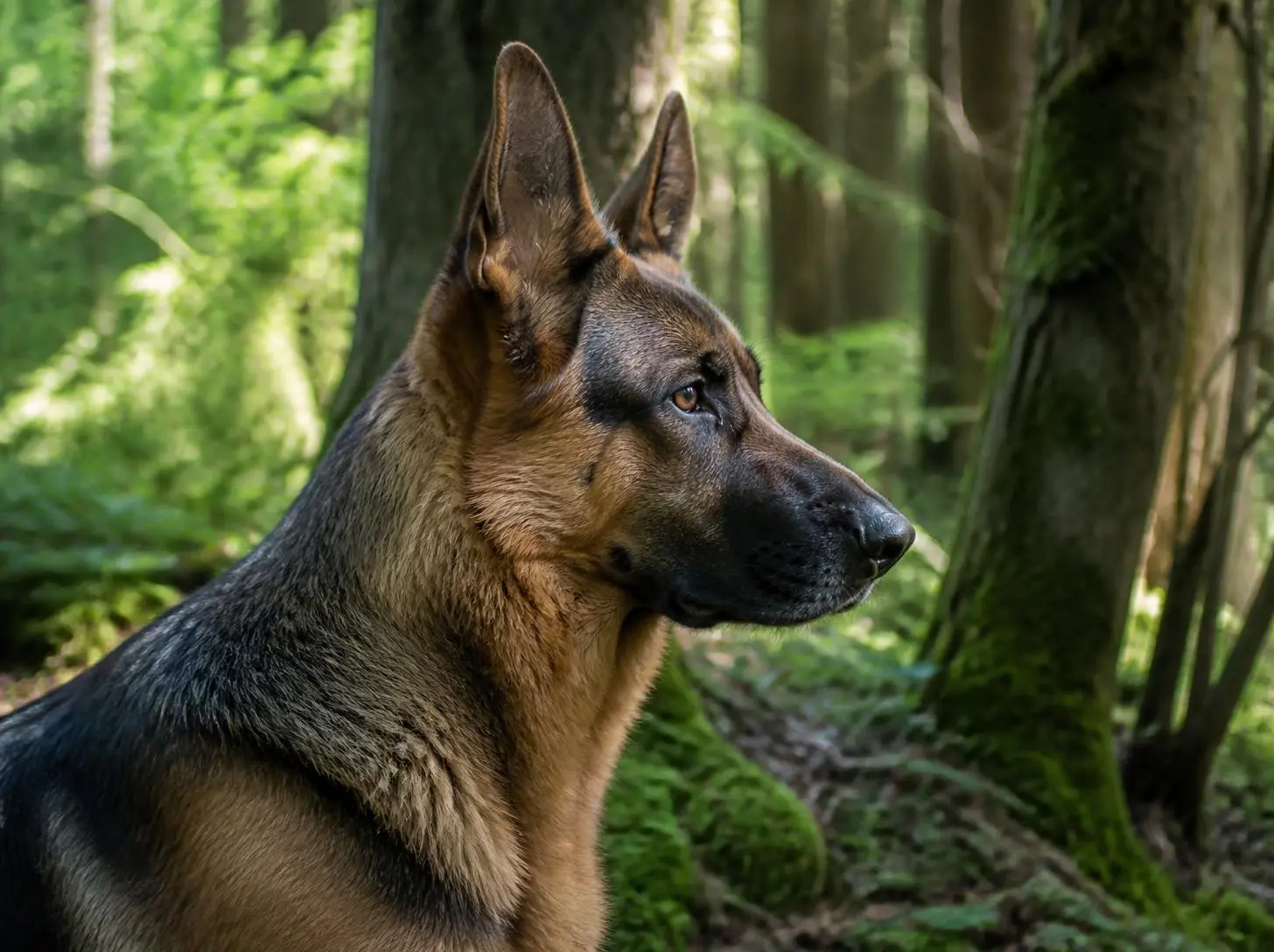
German Shepherd health risks and veterinary costs
Hip and elbow dysplasia, degenerative myelopathy, bloat, and chronic GI issues are the core German Shepherd medical cost drivers.
| Condition | Risk | Potential cost | What to watch for |
|---|---|---|---|
| Hip & elbow dysplasia | Up to 20% | $4,500-$7,000 surgery | limping, bunny hopping, stiffness, reluctance to rise, or reduced jumping |
| Degenerative Myelopathy | Genetic risk | $2,000-$5,000/year care support | rear-leg weakness, dragging nails, wobbling, or progressive loss of coordination |
| Bloat (GDV) | Elevated | $3,000-$7,000 emergency surgery | restlessness, swollen abdomen, drooling, pacing, retching, or distress after meals |
| Chronic GI issues | Common | $400-$1,500/year | loose stool, weight loss, recurring vomiting, poor appetite, or repeated diet changes |
Insurance and emergency planning for German Shepherd
Typical premium: $48–$88 per month
Insurance often makes sense for German Shepherds because a single hip, bloat, or specialist neurology event can cost more than several years of premiums. The financial case gets stronger when you enroll before joint or GI problems appear in the record.
When to enroll: For German Shepherds, coverage is strongest when you enroll while the dog is still young and before any orthopedic issues are documented.
Insurance is often easier to justify for German Shepherds when you compare premiums against hip surgery, bloat surgery, specialist neurology care, or chronic GI treatment.
Hidden costs of owning German Shepherd
- The first year often feels expensive because German Shepherd puppies grow fast and need structure immediately. Training, socialization, durable gear, crates, fencing, food, and controlled exercise matter from the beginning.
- Routine grooming is manageable, but shedding, boarding, and handling are not always simple. German Shepherds may need experienced sitters, strong handlers, secure transport, and boarding facilities comfortable with large working breeds.
German Shepherd versus similar breeds
| Breed | Annual cost | Lifetime cost | Planning lifespan |
|---|---|---|---|
| Labrador Retriever | $2,900 | $34,800 | 12 years |
| Rottweiler | $3,500 | $35,000 | 10 years |
| Belgian Malinois | $3,000 | $33,000 |
How to save without under-caring
- OFA hip/elbow screening at age 2 ($150–$200) — early dysplasia with physiotherapy ($600/yr) avoids $4,500–$7,000 surgery later.
- High-protein quality food costs more monthly but reduces chronic GI issues averaging $400–$900/year in vet visits for this breed.
- Training classes ($150–$300) and puzzle toys prevent the anxiety-driven destruction that costs far more in furniture and vet bills.
- DM genetic test costs $65–$80 — knowing early allows you to plan care and avoid inappropriate expensive treatments.
Is German Shepherd a good financial fit?
German Shepherds fit households that can budget about $267/month, invest seriously in training, maintain a $4,000-$8,000 emergency reserve, and provide daily structure without relying on physical exercise alone.
A stronger fit when
- Owners willing to invest in training, structure, and daily mental work.
- Households with room in the budget for food, shedding control, and orthopedic prevention.
- People who can manage a large intelligent dog without relying only on physical exercise.
- Families able to keep insurance or a meaningful emergency fund for bloat or joint problems.
Harder to sustain when
- You want a low-maintenance dog with minimal training needs.
- Your housing situation cannot tolerate barking, shedding, or a large reactive dog.
- A private trainer or orthopedic emergency would create serious financial stress.
- You cannot provide daily structure, exercise, and mental work.
Frequently asked questions
German Shepherd cost questions
How much does a German Shepherd cost per year?
German Shepherds typically cost about $2,700 to $4,500 per year, with $3,200 as a practical planning estimate.
How much does a German Shepherd cost per month?
On a standard-care budget, German Shepherds typically cost about $267 per month. Actual monthly costs can be higher depending on food, grooming, boarding, and medical needs.
How much does a German Shepherd cost in the first year?
First-year costs usually range from $2,600 to $5,200, depending on adoption vs. breeder pricing, setup purchases, and early veterinary care.
Is pet insurance worth it for a German Shepherd?
It depends on your risk tolerance. Some owners prefer to self-fund routine care and keep an emergency reserve, while others use insurance to reduce exposure to one larger unexpected bill.
Sources and trust
Breed and health references
Methodology
How these estimates are built
These planning ranges combine acquisition, first-year setup, recurring care, breed-specific risks and regional price differences. They are budgeting estimates rather than provider quotes.
Read the full methodology →