
Quick answer
How much does a Persian cost?
A Persian cat typically costs $800–$2,500 from a responsible breeder, while adoption or rescue commonly costs $75–$300. First-year ownership usually costs about $1,000–$4,720. After the first year, budget roughly $200 per month, or $2,400 per year, with an estimated $31,200 over 13 years on a standard-care budget.
About breed
About the Persian
The Persian is a long-haired cat breed known for its calm temperament, round face, dense coat, and relatively low-energy indoor lifestyle. Daily coat care, eye cleaning, dental care, and breed-specific health monitoring can make Persian ownership more expensive than that of many short-haired cats.
Persian cat price and adoption cost
| Route | Typical price | Planning note |
|---|---|---|
| Adoption or rescue | $75–$300 | Shelter or rescue adoption may include spay/neuter, first vaccines, microchipping, and other initial veterinary care, which can reduce separate startup expenses. |
| Responsible breeder | $800–$2,500 | Price can vary with location, pedigree, health testing, coat quality, and included veterinary care. Responsible breeders should be able to explain breed-relevant health screening and provide clear records. |
First-year cost breakdown
| Item | Low | High | Planning note |
|---|---|---|---|
| Adoption fee or breeder price | $100 | $2,500 | Adoption and breeder prices are alternative acquisition routes rather than costs added together. |
| Spay/neuter | $120 | $350 | |
| Initial vet exam and vaccines | $180 | $320 | |
| Carrier, litter setup, bed, bowls, and scratching gear | $220 | $450 | |
| Food (first year) | $300 | $650 | |
| Brushes, combs, and grooming tools | $40 | $120 | Regular coat maintenance can reduce matting and make professional grooming needs easier to manage. |
| Microchip and registration | $40 | $80 | |
| Optional early diagnostics or screening | $0 | $250 | Testing needs vary by the individual cat, breeder records, family history, and veterinary advice. |
| First-year scenario range | $1,000 | $4,720 | The lower estimate assumes a lower-cost acquisition route and basic setup. The higher estimate reflects breeder pricing plus higher setup and early-care costs. |
How much does a Persian cat cost per month, year, and lifetime?
Typical monthly cost: $200
Typical annual cost: $2,400
Estimated lifetime cost: $31,200
Planning lifespan: 13 years
These are planning estimates rather than guaranteed costs. Grooming frequency, food choices, veterinary needs, insurance, dental care, and local prices can move the real total higher or lower.
Main cost drivers
| Category | Share | Lifetime estimate | Planning note |
|---|---|---|---|
| Grooming | 24% | $7,488 | Regular brushing is essential, and some owners also use professional grooming or sanitary trims. |
| Food & treats | 30% | $9,360 | Premium or prescription diets can increase the long-term total. |
| Vet & medical | 30% | $9,360 | Dental care, eye problems, kidney monitoring, respiratory concerns, and senior care can become important expenses. |
| Supplies | 10% | $3,120 | Litter supplies, scratching furniture, grooming tools, carriers, and enrichment add recurring costs. |
| Boarding & misc | 6% | $1,872 | Pet sitting, boarding, medications, travel, and other household-specific expenses vary widely. |
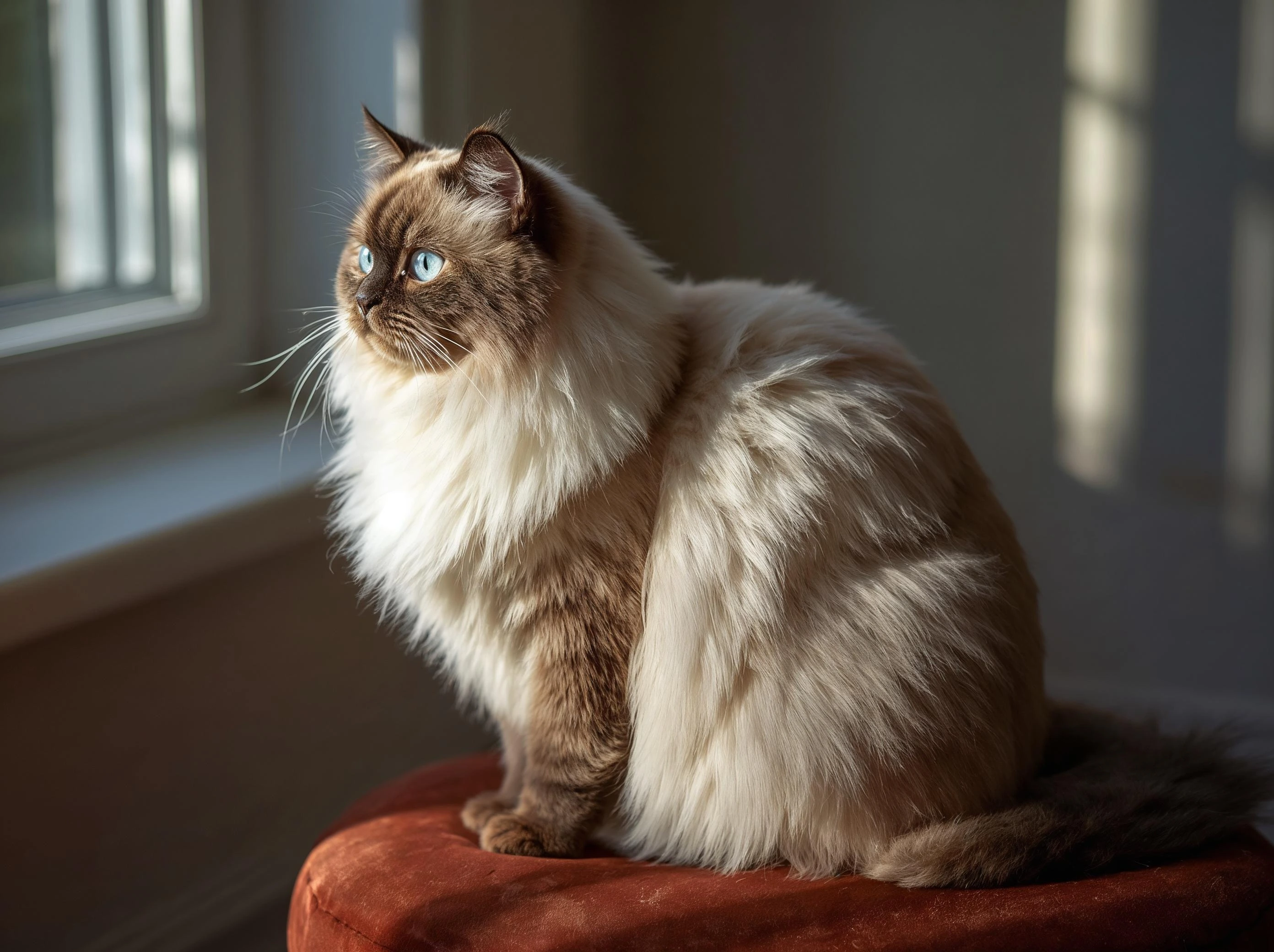
Persian cat health risks and veterinary costs
Persian cats can be predisposed to polycystic kidney disease (PKD), dental crowding, chronic eye discharge, and breathing problems associated with flatter facial structure. These concerns can increase veterinary and grooming costs over time.
| Condition | Risk | Potential cost | What to watch for |
|---|---|---|---|
| Polycystic kidney disease | Breed-relevant inherited risk | Ongoing monitoring and management | Increased thirst, weight loss, vomiting, reduced appetite, or changes in urination. |
| Eye discharge or infections | Common breed-related concern | $200–$500 per episode | Persistent tearing, redness, squinting, swelling, or unusual discharge. |
| Dental crowding and dental disease | Elevated concern in flat-faced cats | $600–$1,200+ for professional dental care | Bad breath, tartar, difficulty chewing, drooling, reduced appetite, or pawing at the mouth. |
| Breathing difficulties | Higher concern in flatter-faced Persians | $800–$3,000+ depending on diagnostics and treatment | Noisy breathing, exercise intolerance, open-mouth breathing, heat intolerance, or respiratory distress. |
Actual diagnosis and treatment costs vary significantly by location, severity, specialist involvement, and the individual cat. New or worsening breathing problems, difficulty urinating, severe eye pain, or sudden appetite changes should be evaluated by a veterinarian.
Insurance and emergency planning for a Persian cat
Typical premium: $40–$65 per month
Pet insurance can be worth comparing because breed-related conditions, diagnostics, dental procedures, and specialist care may create larger-than-average veterinary bills.
When to enroll: Compare plans before chronic kidney, dental, respiratory, eye, or other medical conditions appear in the record.
Coverage considerations: Pre-existing conditions, dental exclusions, hereditary-condition rules, waiting periods, deductibles, reimbursement rates, and annual limits can all affect value.
Emergency-fund alternative: Owners who do not use insurance should keep a dedicated reserve for unexpected veterinary care.
Insurance is easiest to evaluate by looking at your ability to absorb a larger unexpected bill rather than by expecting every routine expense to be reimbursed.
Hidden costs of owning a Persian cat
- Daily coat maintenance: Regular brushing helps prevent mats and can reduce the need for more intensive professional grooming later.
- Eye and face care: Some Persians need frequent gentle cleaning around the eyes and face, especially when tear staining or discharge is present.
- Dental care: Dental exams, home dental care, professional cleaning, or extractions can become meaningful long-term expenses.
- Litter and cleanliness: Long coat around the rear and paws can make litter tracking and hygiene more important than with some short-haired cats.
- Pet sitting and boarding: Persians may need experienced handling when they require eye cleaning, grooming, medication, or special feeding.
- Senior care: Kidney monitoring, dental work, blood tests, medications, and more frequent veterinary visits can raise costs later in life.
Persian cat versus similar breeds
| Breed | Annual cost | Lifetime cost | Planning lifespan |
|---|---|---|---|
| Domestic Shorthair | $1,800 | $27,000 | 15 years |
| Maine Coon | $2,200 | $30,800 | 14 years |
| Ragdoll | $2,100 | $29,400 | 14 years |
Persians may cost more than a typical Domestic Shorthair because regular grooming, eye care, dental planning, and breed-specific medical concerns can create additional recurring expenses.
How to save without under-caring
- Brush the coat consistently to help prevent matting and reduce the likelihood of expensive de-matting or frequent professional grooming.
- Clean the face and eye area gently when needed. Regular hygiene may help with staining and irritation, but persistent discharge, redness, or discomfort should be evaluated by a veterinarian.
- Ask your veterinarian or breeder about appropriate PKD screening and documented family history. Early awareness can help with monitoring and long-term care planning.
- Plan for regular dental exams and home dental care. Some Persian cats may need professional cleanings or extractions, especially when dental crowding is present.
- Compare grooming costs before adopting or buying. Owners comfortable with daily home grooming may spend less on professional coat maintenance.
- Keep your Persian at a healthy weight and provide regular indoor play and enrichment to support long-term health.
Is a Persian cat a good financial fit?
A Persian can be a good fit for households that can comfortably manage routine cat expenses while also budgeting for frequent grooming, dental care, preventive veterinary visits, and possible breed-related medical needs.
A stronger fit when
- You are comfortable providing regular brushing and face care at home.
- Your monthly budget can absorb routine food, litter, grooming, and veterinary expenses.
- You can maintain an emergency fund or compare pet insurance before medical conditions appear.
- You are prepared for dental and senior-care expenses over a relatively long ownership period.
- You prefer a calm indoor companion and can stay consistent with daily coat maintenance.
Harder to sustain when
- You want a very low-maintenance coat or do not have time for frequent brushing.
- Your pet budget is already tight before grooming and veterinary expenses are included.
- A moderate unexpected veterinary bill would be difficult to absorb.
- You are uncomfortable with the possibility of ongoing eye, dental, kidney, or respiratory care.
Frequently asked questions
Persian cost questions
How much does a Persian cost per year?
Persians typically cost about $1,900 to $3,600 per year, with $2,400 as a practical planning estimate.
How much does a Persian cost per month?
On a standard-care budget, Persians typically cost about $200 per month. Actual monthly costs can be higher depending on food, grooming, boarding, and medical needs.
How much does a Persian cost in the first year?
First-year costs usually range from $1,850 to $3,700, depending on adoption vs. breeder pricing, setup purchases, and early veterinary care.
Is pet insurance worth it for a Persian?
It depends on your risk tolerance. Some owners prefer to self-fund routine care and keep an emergency reserve, while others use insurance to reduce exposure to one larger unexpected bill.
How much is a Persian cat?
A Persian kitten from a responsible breeder commonly costs about $800 to $2,500 in the U.S. Adoption or rescue is usually much cheaper, often around $75 to $300.
What is the average Persian cat price in the U.S.?
A practical breeder-price range is about $800 to $2,500, although pedigree, location, coat quality, health testing, and included veterinary care can affect the final price.
Sources and trust
Breed and health references
Methodology
How these estimates are built
These planning ranges combine acquisition, first-year setup, recurring care, breed-specific risks and regional price differences. They are budgeting estimates rather than provider quotes.
Read the full methodology →