
Quick answer
How much does a Domestic Shorthair Cat cost?
A Domestic Shorthair cat typically costs $75–$300 to adopt from a shelter or rescue. First-year ownership usually costs about $1,055–$2,750. After the first year, budget roughly $150 per month, or $1,800 per year, with an estimated $27,000 over 15 years on a standard-care budget.
About breed
About the Domestic Shorthair Cat
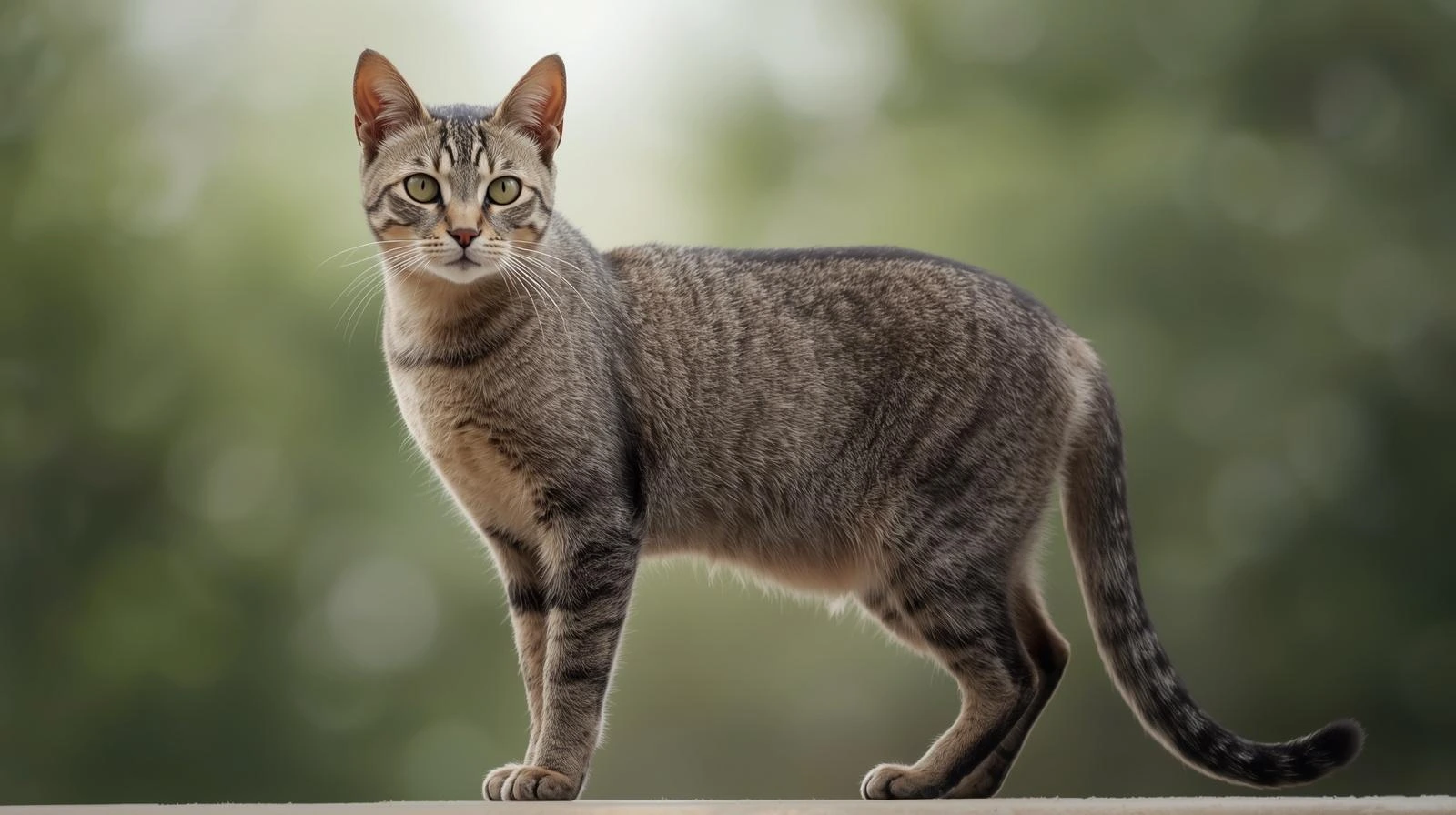
Domestic Shorthairs are mixed-background cats rather than a single pedigree breed. They are among the most common companion cats in shelters and homes, and their size, color, temperament, and activity level can vary widely. Their relatively simple coat care can keep grooming costs low, while litter, food, dental care, and senior veterinary needs usually shape long-term ownership costs.
Domestic Shorthair price and adoption cost
| Route | Typical price | Planning note |
|---|---|---|
| Adoption or rescue | $75–$300 | Shelter adoption is the normal route and often includes spay/neuter, vaccines, microchipping, parasite treatment, and a medical history. |
| Responsible breeder | $100–$500 | Domestic Shorthairs are not a pedigree breed. Private rehoming or seller prices vary, but higher fees should be supported by included veterinary care, supplies, transport, or documented medical records—not claims of breed rarity. |
First-year cost breakdown
| Item | Low | High | Planning note |
|---|---|---|---|
| Adoption fee or private seller price | $75 | $300 | Most Domestic Shorthairs are adopted. Higher private prices should include clear veterinary records and included care. |
| Spay/neuter | $120 | $350 | |
| Initial vet exam and vaccines | $180 | $320 | |
| Carrier, litter setup, bed, bowls, and scratching gear | $220 | $450 | |
| Food (first year) | $300 | $650 | |
| Toys, puzzle feeders, and climbing setup | $120 | $350 | |
| Microchip and registration | $40 | $80 | |
| Optional early diagnostics or DNA screening | $0 | $250 | |
| First-year scenario range | $1,055 | $2,750 | The low scenario uses the least expensive acquisition route plus lower setup and care estimates. The high scenario uses the highest acquisition route plus higher estimates. Adoption and breeder prices are alternatives, not costs added together. |
How much does a Domestic Shorthair cost per month, year, and lifetime?
Typical monthly cost: $150
Typical annual cost: $1,800
Estimated lifetime cost: $27,000
Planning lifespan: 15 years
Budget levels
| Care level | Monthly | Annual | What it includes |
|---|---|---|---|
| Budget | $117 | $1,400 | Shelter adoption, basic preventive care, mainstream food, budget clumping litter, simple scratching posts, and a separate emergency reserve for urinary or dental surprises. |
| Standard | $150 | $1,800 | Routine vet care, better odor-control litter, some wet food for hydration, indoor enrichment, dental planning, and practical scratching protection. |
| Premium | $267 | $3,200 | Insurance or larger savings, premium litter, automated litter systems, wet-heavy feeding, proactive dental care, senior bloodwork, and stronger enrichment for indoor life. |
Main cost drivers
| Category | Share | Lifetime estimate | Planning note |
|---|---|---|---|
| Food & wet food | 28% | $7,560 | |
| Litter & odor control | 24% | $6,480 | |
| Vet & dental | 26% | $7,020 | |
| Supplies & enrichment | 14% | $3,780 | |
| Boarding & misc | 8% | $2,160 |
Training costs for Domestic Shorthair Cat
Training usually means scratching redirection, litter-box habits, carrier acclimation, clicker basics, and enrichment for indoor life.
Domestic Shorthair Cat health risks and veterinary costs
The main financial risks are dental disease, male urinary blockage, obesity, diabetes, kidney disease, and long senior-care timelines.
| Condition | Risk | Potential cost | What to watch for |
|---|---|---|---|
| Dental disease | Common in adult and senior Domestic Shorthairs, especially when tooth brushing and dental checks are skipped | $300-$1,200 per cleaning | bad breath, drooling, chewing difficulty, tartar, pawing at the mouth |
| Urinary blockage | Most urgent in male cats because a blockage can become life-threatening quickly | $1,500-$4,000 emergency | straining in the litter box, frequent trips, crying, inability to urinate, lethargy |
| Obesity & diabetes | Common when indoor cats are free-fed, under-stimulated, or gradually gain weight with age | $400-$2,000/year | weight gain, excessive thirst, inactivity, difficulty jumping |
| Kidney disease | Common in senior cats and a major reason long-lived indoor cats become more expensive later in life | $500-$3,000/year | weight loss, increased drinking, vomiting, poor appetite |
Insurance and emergency planning for Domestic Shorthair Cat
Typical premium: $20–$35 per month
Insurance can help with urinary blockage, dental surgery, kidney disease, diabetes, and emergency diagnostics.
When to enroll: Compare plans before urinary, dental, kidney, diabetic, or other chronic conditions appear.
Coverage considerations: Pre-existing urinary disease, dental disease, kidney disease, diabetes, and chronic conditions may affect coverage.
Emergency-fund alternative: Without insurance, keep a separate reserve large enough for a $1,500–$4,000 emergency.
Many owners self-fund routine care. Insurance may still be useful if a $1,500–$4,000 urinary or senior-care emergency would be difficult to absorb.
Hidden costs of owning a Domestic Shorthair Cat
- The first year is expensive because litter setups, carriers, scratching posts, climbing furniture, cat-proofing, and enrichment purchases arrive quickly.
- Coat care is usually simple. Litter management, odor control, scratching prevention, enrichment, pet sitting, and medication support are the more meaningful recurring costs.
Domestic Shorthair Cat versus similar breeds
| Breed | Annual cost | Lifetime cost | Planning lifespan |
|---|---|---|---|
| Maine Coon | $2,200 | $30,800 | 14 years |
| Siamese | $1,900 | $28,500 | 15 years |
| Ragdoll | $2,100 | $29,400 | 14 years |
| Abyssinian | $2,100 | $27,300 | 13 years |
How to save without under-caring
- Choose shelter adoption when possible, especially when spay/neuter, vaccines, and microchipping are included.
- Start dental prevention early to reduce the chance of costly extractions later.
- Use measured meals and daily play to control weight and lower diabetes risk.
- Provide scratching posts and climbing space before behavior problems damage furniture.
- Buy litter in a cost-effective size and stick with a type your cat reliably uses.
Is a Domestic Shorthair cat a good financial fit?
Domestic Shorthairs fit households that can comfortably cover litter and food, maintain emergency savings, and stay consistent with dental prevention and indoor enrichment.
A stronger fit when
- Households with room in the monthly budget for routine pet care.
- Owners willing to stay consistent with grooming, enrichment, and preventive care.
- People who prefer a realistic long-term budget before adopting.
- Households able to keep an emergency fund or compare insurance thoughtfully.
Harder to sustain when
- Your monthly budget is already tight.
- A moderate vet bill would be difficult to absorb without debt.
- You want the lowest-maintenance ownership scenario every year.
Frequently asked questions
Domestic Shorthair Cat cost questions
How much does a Domestic Shorthair cat cost?
A Domestic Shorthair usually costs $75 to $300 to adopt from a shelter or rescue.
How much is a Domestic Shorthair cat?
Most Domestic Shorthairs cost $75 to $300 through adoption. Private rehoming prices vary when veterinary care or supplies are included.
How much does a Domestic Shorthair cat cost in the first year?
First-year costs usually range from about $1,055 to $2,750, including adoption, vet care, litter setup, supplies, food, enrichment, and microchipping.
How much does a Domestic Shorthair cat cost per month?
A standard budget is about $150 per month. Litter, wet food, insurance, dental care, and senior testing can push the total higher.
How much does a Domestic Shorthair cat cost per year?
Domestic Shorthairs typically cost $1,400 to $2,600 per year, with $1,800 as a practical standard-care estimate.
How much does a Domestic Shorthair cat cost over its lifetime?
At about $1,800 per year, the standard 15-year lifetime estimate is roughly $27,000.
Are Domestic Shorthair cats cheap to own?
They are usually inexpensive to adopt, but litter, food, dental care, enrichment, and senior veterinary care add up over many years.
Why do Domestic Shorthair cats become expensive over time?
The main reasons are litter, dental work, urinary emergencies, pet sitting, weight control, and senior health care.
Is pet insurance worth it for a Domestic Shorthair cat?
It can be worth comparing if a $1,500 to $4,000 emergency would be difficult to pay from savings.
What is the biggest hidden Domestic Shorthair cost?
Litter is the largest predictable hidden cost. Dental care and urinary emergencies are the biggest surprise bills.
Sources and trust
Breed and health references
Methodology
How these estimates are built
These planning ranges combine acquisition, first-year setup, recurring care, breed-specific risks and regional price differences. They are budgeting estimates rather than provider quotes.
Read the full methodology →