
Quick answer
How much does a Sphynx Cat cost?
Sphynx Cat ownership typically costs about $217/month or $2,600/year on a standard-care budget. With an approximate lifespan of 13 years, that comes to about $33,800 over a lifetime. Sphynx Cats can look manageable month to month, but food and vet care still shape long-term cost more than many owners expect. This guide breaks down monthly, first-year, annual, and lifetime expenses based on our methodology and data sources.
About breed
About the Sphynx Cat
The Sphynx Cat is a cat breed with a typical lifespan of 13 years. This guide explains its everyday care needs, important health considerations, and the ownership choices that shape long-term costs.
Sphynx Cat purchase or adoption cost
| Route | Typical price | Planning note |
|---|---|---|
| Adoption or rescue | $75–$300 | Shelter or rescue adoption may include spay/neuter, first vaccines, and microchipping, which can reduce startup costs. |
| Responsible breeder | $800–$2,500 | Reputable breeders should be able to show breed-relevant health screening and explain how they approach inherited risks for Sphynx Cats. |
First-year cost breakdown
| Item | Low | High | Planning note |
|---|---|---|---|
| Adoption fee or breeder price | $100 | $2,500 | |
| Spay/neuter | $120 | $350 | |
| Initial vet exam and vaccines | $180 | $320 | |
| Carrier, litter setup, bed, bowls, and scratching gear | $220 | $450 | |
| Food (first year) | $300 | $650 | |
| Brushes, combs, and grooming tools | $40 | $120 | |
| Microchip and registration | $40 | $80 | |
| Optional early diagnostics or DNA screening | $0 | $250 | |
| First-year scenario range | $1,000 | $4,720 | The low scenario uses the least expensive acquisition route plus lower setup and care estimates. The high scenario uses the highest acquisition route plus higher estimates. Adoption and breeder prices are alternatives, not costs added together. |
Monthly, annual, and lifetime budget
Typical annual cost: $2,600
Estimated lifetime cost: $33,800
Planning lifespan: 13 years
Main cost drivers
| Category | Share | Lifetime estimate | Planning note |
|---|---|---|---|
| Food & treats | 29% | $9,802 | |
| Vet & medical | 31% | $10,478 | |
| Bathing/grooming | 15% | $5,070 | |
| Supplies/warmth | 15% | $5,070 | |
| Boarding & misc | 10% | $3,380 |
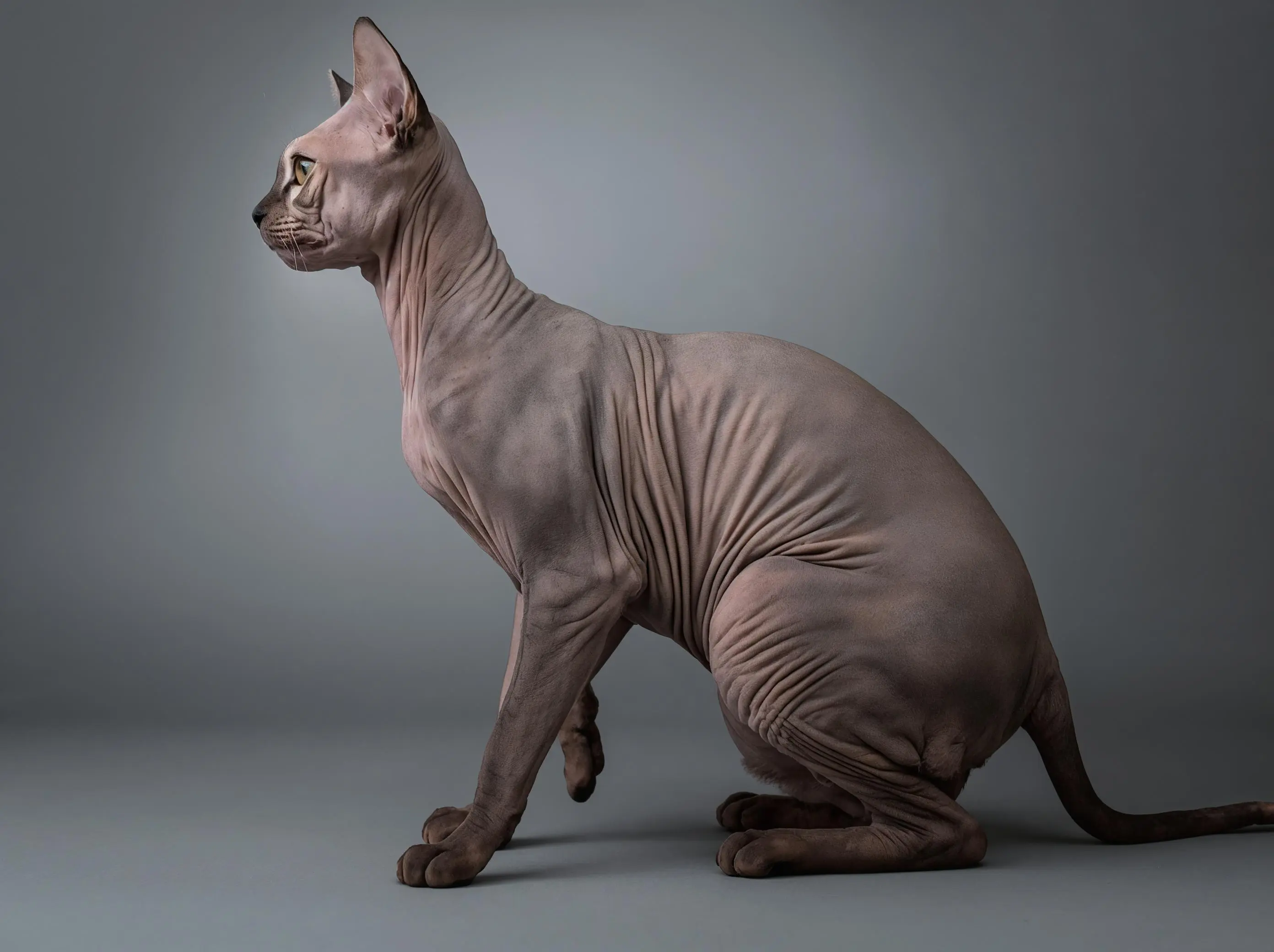
Sphynx Cat health risks and veterinary costs
HCM affects a significant portion of Sphynx cats.
| Condition | Risk | Potential cost | What to watch for |
|---|---|---|---|
| Hypertrophic Cardiomyopathy | Elevated | $250–$400/yr screening + treatment | |
| Skin infections | Without bathing | $200–$600/episode | |
| HED (dental) | Common | $400–$900/yr | |
| Sunburn | Universal | Prevention required |
Insurance and emergency planning for Sphynx Cat
Typical premium: $40–$65 per month
Insurance is often worth comparing for Sphynx Cats because breed-related conditions and specialist care can create larger-than-average vet bills.
When to enroll: Compare plans early, ideally before chronic issues appear. Once a condition is documented, it may affect pricing or coverage.
Insurance is often easiest to justify when you focus on the breed's bigger downside risks and the possibility of one larger medical event.
Hidden costs of owning Sphynx Cat
- The first year often feels more expensive because setup costs arrive early. Supplies, preventive care, and onboarding are usually front-loaded, which can push early spending above the long-term monthly average.
- Routine care is only part of the budget. Grooming, boarding, and other lifestyle-related costs can rise quickly depending on coat maintenance, travel frequency, and whether your cat needs medication, special handling, or more frequent support.
Sphynx Cat versus similar breeds
| Breed | Annual cost | Lifetime cost | Planning lifespan |
|---|---|---|---|
| Domestic Shorthair | $1,800 | $27,000 | 15 years |
| Bengal | $2,300 | $29,900 | 13 years |
| Maine Coon | $2,200 | $30,800 | 14 years |
How to save without under-caring
- Weekly bathing with an appropriate cat-safe shampoo is non-negotiable — it prevents the skin infections that cost $200–$600 per episode to treat.
- Keep Sphynx cats at 70°F+ indoors — they lose heat faster than furred cats. Cat sweaters ($10–$20) and heated beds ($25–$50) reduce stress-related illness.
- Annual echocardiogram from age 2 ($250–$400) — HCM is prevalent in the breed and manageable when caught early.
- Sun protection for windowsill cats — Sphynx cats burn easily. Window UV film ($20–$50) or keeping them from prolonged direct sun prevents skin damage.
Is Sphynx Cat a good financial fit?
Sphynx Cats are best suited to households that can comfortably cover routine care, keep some flexibility in the budget for surprises, and stay consistent with food, grooming, and preventive care.
A stronger fit when
- Households with room in the monthly budget for routine pet care.
- Owners willing to stay consistent with grooming, enrichment, and preventive care.
- People who prefer a realistic long-term budget before adopting.
- Households able to keep an emergency fund or compare insurance thoughtfully.
Harder to sustain when
- Your monthly budget is already tight.
- A moderate vet bill would be difficult to absorb without debt.
- You want the lowest-maintenance ownership scenario every year.
Frequently asked questions
Sphynx Cat cost questions
How much does a Sphynx Cat cost per year?
Sphynx Cats typically cost about $2,100 to $3,700 per year, with $2,600 as a practical planning estimate.
How much does a Sphynx Cat cost per month?
On a standard-care budget, Sphynx Cats typically cost about $217 per month. Actual monthly costs can be higher depending on food, grooming, boarding, and medical needs.
How much does a Sphynx Cat cost in the first year?
First-year costs usually range from $2,050 to $4,050, depending on adoption vs. breeder pricing, setup purchases, and early veterinary care.
Is pet insurance worth it for a Sphynx Cat?
It depends on your risk tolerance. Some owners prefer to self-fund routine care and keep an emergency reserve, while others use insurance to reduce exposure to one larger unexpected bill.
Sources and trust
Breed and health references
Methodology
How these estimates are built
These planning ranges combine acquisition, first-year setup, recurring care, breed-specific risks and regional price differences. They are budgeting estimates rather than provider quotes.
Read the full methodology →