
Quick answer
How much does a Sokoke cost?
A Sokoke kitten may cost roughly $1,000–$2,500+ from a specialist breeder when one is available. Because the breed is extremely rare, there is no dependable national U.S. average and travel or import costs may apply. First-year ownership can reach about $1,600–$4,900+. After the first year, budget roughly $120–$190 per month, or about $1,440–$2,280 per year.
About breed
About the Sokoke
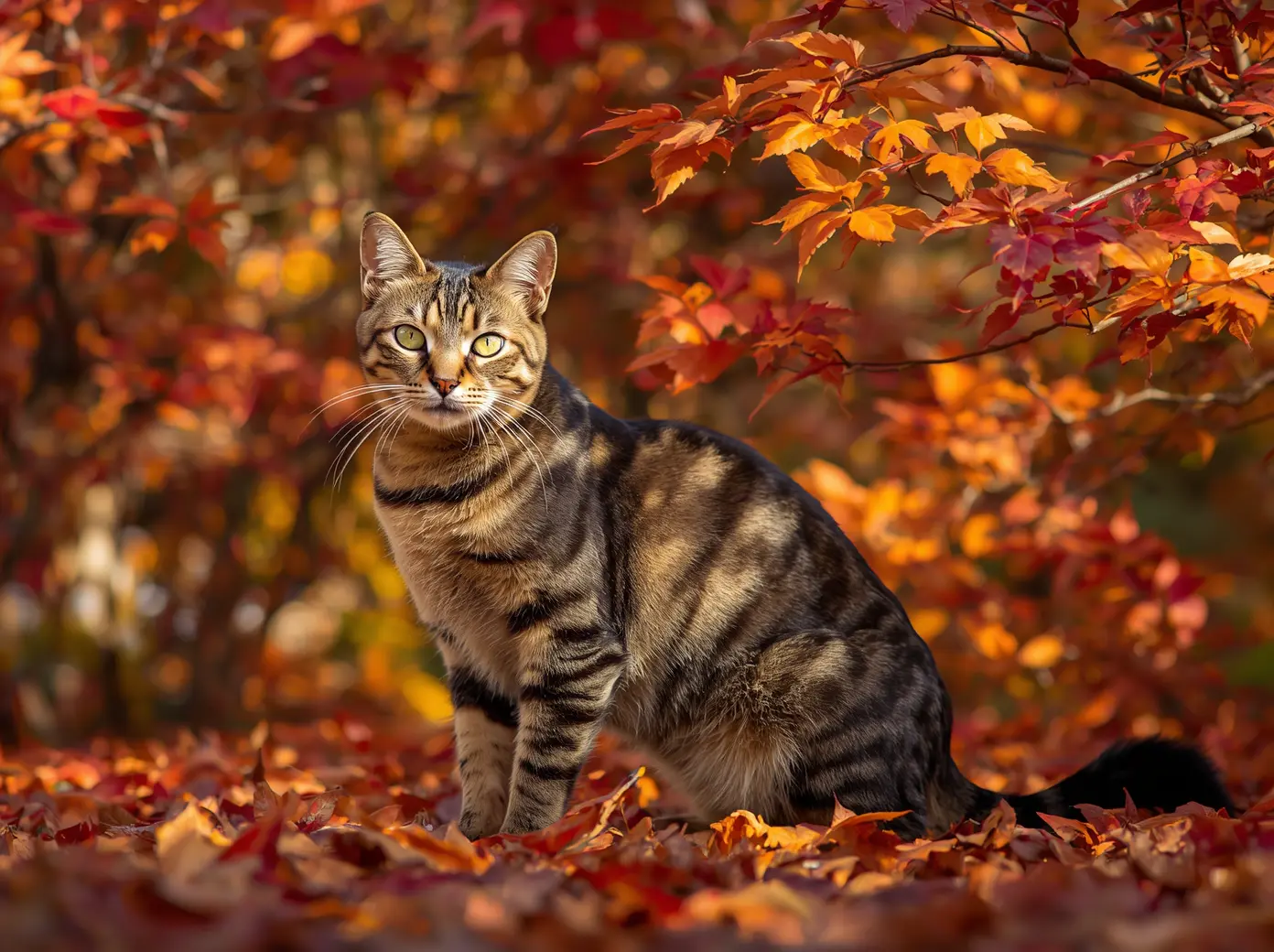
The Sokoke is an exceptionally rare, medium-sized natural cat breed originating from coastal Kenya. It is known for its distinctive wood-grain tabby pattern, intelligence, athleticism, strong social bonds, and short low-maintenance coat. Routine ownership costs are moderate, but rarity, limited breeder availability, travel or import expenses, enrichment, and a potentially long lifespan can raise the total cost.
Sokoke kitten price and adoption cost
A Sokoke kitten may cost roughly $1,000–$2,500+ from a specialist breeder when one is available. Unlike common pedigreed breeds, however, there is not enough active U.S. supply to treat that figure as a reliable national average.
The Sokoke is exceptionally rare. GCCF describes it as the rarest domestic cat breed in the world, so availability may matter more than the advertised kitten price. Buyers may face waiting lists, travel, transportation, or international-import expenses in addition to the purchase price.
| Route | Typical planning price | Planning note |
|---|---|---|
| Adoption or rescue | $50–$200 | A confirmed pedigreed Sokoke is extremely unlikely to appear in a shelter. Cats labeled Sokoke mixes may not have documented Sokoke ancestry. |
| Specialist breeder | $1,000–$2,500+ | Availability is extremely limited, so breeder location, pedigree, registration, and transportation can affect the final price substantially. |
| Travel or import | Varies | Transportation, airline fees, health certificates, carrier costs, or international paperwork can materially increase acquisition cost. |
Important: Because the Sokoke market is so small, be cautious with websites advertising large numbers of immediately available kittens. Verify registration, breeder history, health documentation, pedigree, and the identity of the seller before paying a deposit.
First-year Sokoke cat cost
The first year combines the Sokoke kitten price with veterinary care, equipment, food, litter, enrichment, and other setup expenses. For this breed, travel or import can also become an unusually large first-year expense.
| Item | Low | High | Planning note |
|---|---|---|---|
| Adoption or rescue fee | $50 | $200 | Rare for a confirmed pedigreed Sokoke; may include some early veterinary care. |
| Sokoke kitten price from breeder | $1,000 | $2,500+ | Breeder purchase and adoption are alternative acquisition routes, not expenses added together. |
| Travel or transportation | $0 | $1,000+ | May be significant if no suitable breeder is located nearby. |
| Spay/neuter | $150 | $400 | May already be completed or included in the breeder contract. |
| Initial veterinary exams and vaccines | $150 | $350 | Actual needs depend on the kitten's existing medical history. |
| Microchip and registration | $30 | $70 | May already be included with purchase. |
| Carrier, litter boxes, bowls, scratching posts, bed | $200 | $450 | Active Sokokes benefit from sturdy climbing and scratching equipment. |
| Food during first year | $300 | $650 | Varies with feeding style, brand, age, and activity level. |
| Cat litter | $180 | $360 | Recurring cost varies by litter type and household setup. |
| Toys and enrichment | $120 | $300 | Sokokes are intelligent and highly playful, so climbing and interactive enrichment are worthwhile expenses. |
| Grooming and dental supplies | $40 | $100 | The short coat is inexpensive to maintain at home. |
| First-year scenario range | $1,600 | $4,900+ | The lower scenario assumes modest acquisition and setup costs. The upper scenario reflects a breeder kitten plus higher care and possible transportation costs. |
How much does a Sokoke cat cost per month?
Typical monthly cost: $120–$190
After the initial setup year, a practical Sokoke ownership budget is around $145 per month. Food, litter, veterinary care, insurance or emergency savings, enrichment, and routine supplies make up most recurring expenses.
| Expense | Typical monthly budget | Planning note |
|---|---|---|
| Food | $25–$50 | A medium-sized active cat usually has moderate food costs. |
| Litter | $15–$30 | Depends on litter type and replacement frequency. |
| Routine vet-care reserve | $15–$30 | Saving monthly helps spread annual wellness expenses. |
| Insurance or emergency savings | $20–$50+ | Premiums vary by age, location, deductible, and coverage. |
| Enrichment and toys | $15–$25 | Active, intelligent Sokokes benefit from climbing, puzzle feeders, and interactive play. |
| Grooming and supplies | $5–$10 | The short coat keeps recurring grooming costs low. |
Sokoke cat annual cost
A Sokoke typically costs around $1,440–$2,280 per year after the first year under a normal ownership budget.
A useful standard-care estimate is approximately $1,740 per year, or about $145 per month.
| Care level | Monthly | Annual | What it includes |
|---|---|---|---|
| Budget | $120 | $1,440 | Quality basic food, litter, preventive care, home grooming, routine enrichment, and self-funded emergency savings. |
| Standard | $145 | $1,740 | Quality food, routine veterinary care, dental planning, enrichment, supplies, and insurance or structured emergency savings. |
| Premium | $190+ | $2,280+ | Premium food, broader insurance, boarding, upgraded enrichment, larger emergency reserves, and additional veterinary monitoring. |
Main Sokoke ownership cost drivers
| Category | Share | 15-year estimate | Planning note |
|---|---|---|---|
| Vet and medical | 29% | $7,569 | Routine care, dental treatment, diagnostics, and emergencies remain major long-term variables. |
| Food and treats | 26% | $6,786 | Food is one of the largest predictable recurring costs. |
| Litter and supplies | 21% | $5,481 | Litter, replacement boxes, scratching surfaces, carriers, and household supplies accumulate over time. |
| Insurance or emergency planning | 14% | $3,654 | Insurance or emergency savings help absorb large veterinary bills. |
| Enrichment, grooming, and miscellaneous | 10% | $2,610 | Climbing furniture, toys, dental supplies, and home grooming equipment make up the remainder. |
Sokoke grooming cost
The Sokoke is a low-maintenance grooming breed. Its coat is very short, close-lying, glossy, and has little or no undercoat.
GCCF classifies Sokoke grooming maintenance as low, while PetMD says weekly brushing is generally sufficient. Regular professional grooming is usually unnecessary.
| Grooming item | Typical cost | Frequency |
|---|---|---|
| Grooming glove or brush | $10–$25 | Replace as needed |
| Nail clippers | $8–$20 | One-time/replacement purchase |
| Dental supplies | $20–$60 per year | Recurring |
| Professional grooming | Usually unnecessary | As needed |
The low-maintenance coat is one reason Sokoke ownership can remain relatively moderate after the initial purchase. Most grooming can be handled at home.
Sokoke health risks and veterinary costs
The Sokoke is generally described as a healthy, athletic natural breed. GCCF states that there are currently no known genetic disorders affecting Sokokes in significant numbers, and its breeding policy likewise reports no known genetic disorders occurring widely in the breed.
That is encouraging, but it does not mean individual Sokokes are immune to normal feline illness, dental problems, injuries, infections, or age-related disease.
| Health area | Planning concern | Potential cost impact | What to watch for |
|---|---|---|---|
| Dental disease | Common feline expense | Cleaning, dental X-rays, anesthesia, and extractions can create substantial bills. | Bad breath, red gums, drooling, difficulty chewing, or avoiding food. |
| Ear problems | Routine care consideration | Examination, cleaning, medication, or parasite treatment may be required. | Head shaking, scratching, odor, redness, or dark debris. |
| Injury | Possible in an athletic cat | Exams, X-rays, pain medication, or surgery can be expensive. | Limping, reluctance to jump, swelling, pain, or sudden inactivity. |
| Senior diagnostics | Increasing importance with age | Blood work, urinalysis, imaging, and medication can increase later-life costs. | Changes in appetite, thirst, weight, urination, mobility, or behavior. |
| Emergency illness | Unpredictable | Urgent exams, hospitalization, imaging, and surgery may cost thousands. | Difficulty breathing, repeated vomiting, collapse, inability to urinate, or severe weakness. |
Because the breed's population is small, avoiding exaggerated claims about genetic disease is particularly important. The best financial approach is routine preventive care, responsible sourcing, and a realistic emergency plan.
Insurance and emergency planning for a Sokoke
Pet insurance can be worth comparing even though Sokokes are generally described as healthy. Major veterinary emergencies are expensive regardless of breed.
Typical planning approach: Maintain accident-and-illness coverage or build a dedicated veterinary emergency fund.
When to enroll: Insurance is generally easier to evaluate while the cat is young and before medical problems appear in its records.
Coverage considerations: Compare deductibles, reimbursement percentages, annual limits, exam-fee coverage, dental illness, waiting periods, and pre-existing-condition exclusions.
Emergency-fund alternative: Owners without insurance should maintain enough accessible savings for diagnostics, hospitalization, surgery, or urgent treatment.
Hidden costs of owning a Sokoke cat
- Finding the kitten may cost more than expected. Travel, transportation, waiting lists, or importing can add substantially to the initial Sokoke cat price.
- Enrichment matters. Sokokes are intelligent and highly playful, so cat trees, climbing space, scratchers, and interactive toys are meaningful ownership expenses.
- The market is unusually small. Limited breeder availability makes comparison shopping much harder than with common breeds.
- A long lifespan compounds routine costs. GCCF lists a lifespan of roughly 12–20 years, so food, litter, and veterinary costs can continue for a very long time.
- Senior care can eventually dominate the budget. Even a healthy young cat may need blood work, dental care, medication, or diagnostic imaging later in life.
Sokoke cat lifetime cost
GCCF lists a Sokoke lifespan of approximately 12–20 years. For long-term budgeting, a 15-year planning lifespan provides a useful middle scenario.
At a standard ongoing budget of roughly $1,740 per year, 15 years of recurring ownership expenses equal approximately $26,100 before major emergencies or unusually expensive medical events.
| Scenario | Annual cost | Planning lifespan | Estimated ongoing lifetime cost |
|---|---|---|---|
| Budget | $1,440 | 15 years | $21,600 |
| Standard | $1,740 | 15 years | $26,100 |
| Premium | $2,280+ | 15 years | $34,200+ |
The initial Sokoke kitten price can be high because the breed is so scarce, but recurring food, litter, veterinary care, insurance or emergency savings, enrichment, and senior care eventually make up most of the lifetime expense.
Sokoke versus similar cat breeds
| Breed | Typical cost pattern | Grooming | Financial consideration |
|---|---|---|---|
| Sokoke | Moderate ongoing / high acquisition uncertainty | Low | Extreme rarity, possible travel or import costs |
| Somali | Moderate | Low-moderate | Dental care, enrichment, and genetic screening |
| Turkish Van | Moderate | Low-moderate | Rare breeder availability and long lifespan |
| Abyssinian | Moderate | Low | Active breed with significant enrichment needs |
| Domestic Shorthair | Lower acquisition cost | Low | Usually easier and less expensive to acquire |
How to save on Sokoke ownership costs
- Verify the breeder before spending anything. Avoid losing money to sellers using the breed's rarity to create fake urgency.
- Ask for the full delivered price. If transportation is required, compare the kitten price together with travel, carrier, paperwork, and veterinary documentation.
- Handle grooming at home. The Sokoke's short coat normally requires very little paid grooming.
- Buy durable enrichment. A strong cat tree and quality scratching surfaces can last longer than repeatedly replacing inexpensive equipment.
- Maintain routine dental and veterinary care. Preventive care can help identify problems before they become more complicated.
- Compare insurance while young. If you plan to insure the cat, earlier enrollment generally provides more options before health conditions arise.
- Build an emergency fund. Breed health does not eliminate the possibility of expensive accidents or illnesses.
Is a Sokoke a good financial fit?
The Sokoke's routine care costs are not especially high, but acquiring one can be financially and logistically more difficult than owning a common cat breed.
A stronger fit when
- You can afford a potentially $1,000–$2,500+ kitten price without using your emergency-care budget.
- You are comfortable waiting for a reputable breeder rather than buying from the first available seller.
- You can budget around $120–$190 per month for ongoing care.
- You have room for climbing equipment and interactive enrichment.
- You can maintain insurance or a substantial veterinary emergency fund.
Harder to sustain when
- You want a readily available kitten at a predictable local price.
- Travel or import costs would stretch your budget.
- A major veterinary bill would require substantial debt.
- You want the lowest-cost route to cat ownership.
Final Sokoke cat cost estimate
A Sokoke kitten may cost roughly $1,000–$2,500+ from a specialist breeder, but the breed is so rare that there is no dependable national U.S. average. Travel, transportation, or international sourcing can increase the acquisition cost further.
First-year ownership can reach approximately $1,600–$4,900+, while ongoing expenses may average around $120–$190 per month or $1,440–$2,280 per year.
Using a 15-year planning lifespan and a standard $1,740 annual budget produces approximately $26,100 in ongoing lifetime expenses. The purchase price and unusually high transportation or medical costs would be additional.
For a Sokoke, the key financial issue is unusual: routine ownership is fairly moderate, but finding and acquiring a genuine Sokoke can be much more difficult and unpredictable than maintaining one.
Frequently asked questions
Sokoke cost questions
How much does a Sokoke cat cost?
A Sokoke kitten may cost roughly $1,000 to $2,500+ from a specialist breeder. Because the breed is extremely rare, there is no dependable national U.S. average and transportation or import costs may apply.
How much does a Sokoke kitten cost?
A practical breeder planning range is about $1,000 to $2,500+, but actual prices are difficult to standardize because very few Sokoke kittens are available at any given time.
Why are Sokoke cats so expensive?
The main reason is scarcity. Sokokes are one of the rarest domestic cat breeds, so limited breeder availability, waiting lists, travel, transportation, and import costs can increase the total acquisition price.
How much does a Sokoke cost in the first year?
First-year Sokoke costs can reach roughly $1,600 to $4,900+. The total depends heavily on the kitten price, travel or transportation, veterinary care, supplies, food, litter, and enrichment.
How much does a Sokoke cat cost per month?
A Sokoke typically costs about $120 to $190 per month after the first year. Food, litter, veterinary care, enrichment, supplies, and insurance or emergency savings make up most recurring expenses.
How much does a Sokoke cost per year?
A practical annual Sokoke budget is roughly $1,440 to $2,280. Around $1,740 per year is a reasonable standard-care planning estimate before unusually large veterinary expenses.
Are Sokoke cats expensive to maintain?
Routine maintenance is moderate. Their short coat keeps grooming costs low, while food, litter, veterinary care, enrichment, and emergency planning account for most long-term expenses.
How much does Sokoke grooming cost?
Sokokes have short, low-maintenance coats and generally need only weekly home brushing. Professional grooming is normally unnecessary, so recurring grooming costs can remain very low.
Do Sokoke cats have expensive health problems?
There are currently no major genetic disorders known to affect Sokokes in significant numbers. However, individual cats can still develop dental disease, injuries, infections, age-related illness, or other veterinary problems.
How long do Sokoke cats live?
GCCF lists the Sokoke lifespan at roughly 12 to 20 years. A 15-year lifespan is a practical midpoint for long-term ownership budgeting.
What is the lifetime cost of a Sokoke cat?
At ongoing annual costs of roughly $1,440 to $2,280, a 15-year ownership period can total approximately $21,600 to $34,200+ before the initial kitten price and major medical emergencies.
Can you adopt a Sokoke cat?
It is possible, but confirmed pedigreed Sokokes are extremely unlikely to appear in ordinary shelters because the breed is so rare. Verify pedigree claims before assuming a tabby-patterned rescue cat is a Sokoke.
Sources and trust
Breed and health references
Methodology
How these estimates are built
These planning ranges combine acquisition, first-year setup, recurring care, breed-specific risks and regional price differences. They are budgeting estimates rather than provider quotes.
Read the full methodology →