
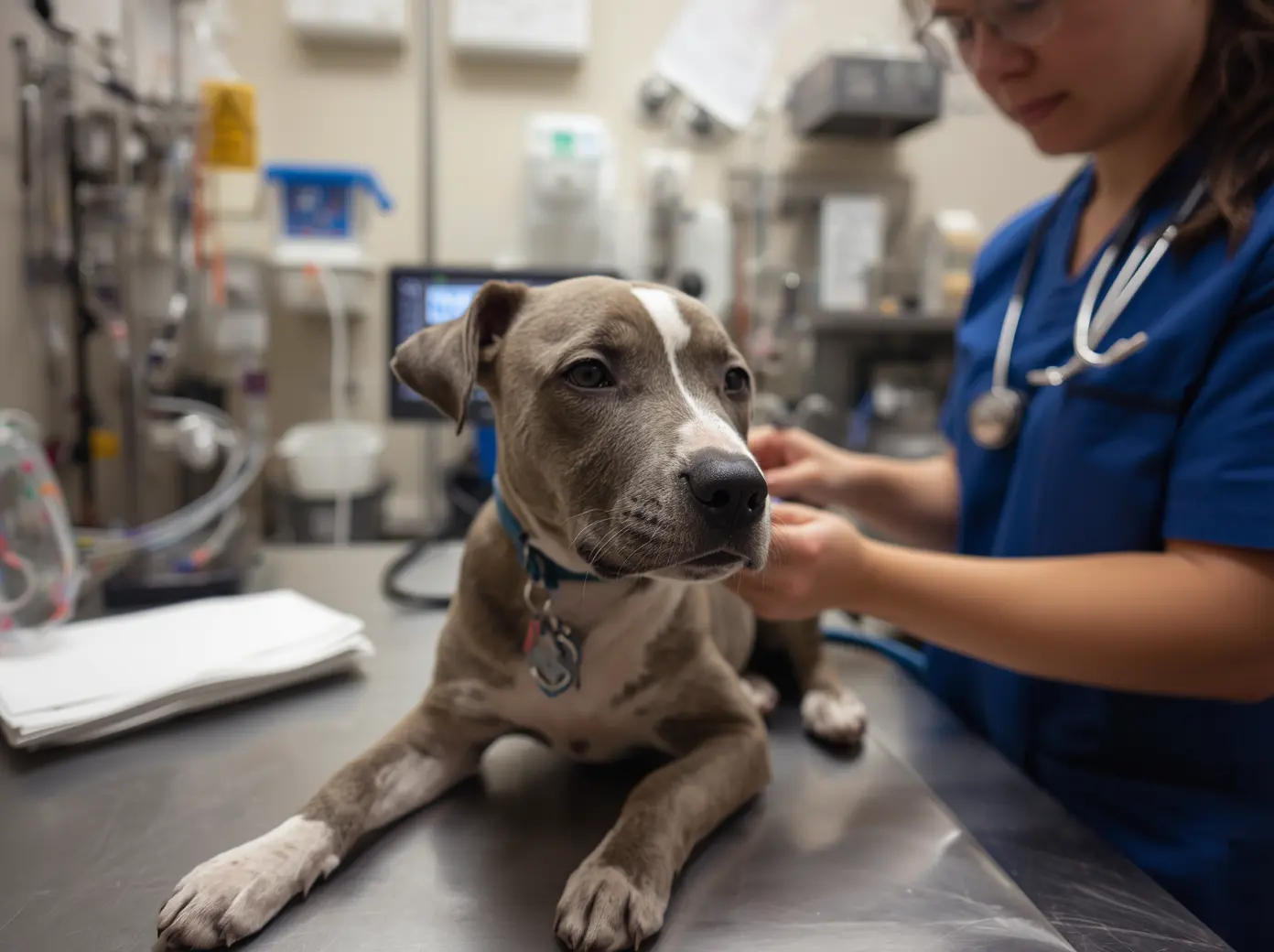
Quick Answer
Parvo treatment can cost from several hundred dollars for carefully selected outpatient cases to $5,000 or more when a dog needs emergency hospitalization. The final bill depends on illness severity, length of stay, IV fluids, bloodwork, parvo testing, anti-nausea medication, antibiotics when sepsis risk is present, nutrition support, and complications. Severe puppies may need several days of intensive monitoring.
Parvo Treatment Cost at a Glance
There is no single U.S. price for canine parvovirus treatment. Mild, veterinarian-approved outpatient cases may cost hundreds of dollars, while hospitalized cases can quickly run into several thousand dollars.
Outpatient Treatment
Several hundred dollars to $1,500+
Possible only for selected dogs considered stable enough for an outpatient protocol.
Hospitalized Treatment
$2,000–$5,000+
A practical planning range when IV fluids, repeat tests, medications and several days of hospitalization are needed.
Severe or Complicated Parvo
$5,000–$10,000+
Longer hospitalization, sepsis, transfusions or intensive care can raise the bill substantially.
What Makes Parvo Treatment So Expensive?
Parvo damages the intestinal tract and can cause severe vomiting, diarrhea, dehydration, electrolyte abnormalities, low blood sugar and secondary bacterial infection. Treatment therefore involves much more than simply giving one medication.
| Service | Why It May Be Needed | 2026 U.S. Cost Context |
|---|---|---|
| Emergency exam | Triage, physical exam, dehydration assessment and treatment planning. | About $135 average for dogs; actual prices vary. |
| Parvo test | Fecal antigen testing is commonly used to confirm suspected parvovirus. | Clinic pricing varies. |
| CBC blood test | Checks white blood cells, anemia and infection risk. | About $104 average. |
| Chemistry panel | Checks glucose, proteins, electrolytes and organ function. | About $164 average. |
| IV catheter and fluids | Corrects dehydration and supports circulation. | About $130 for an IV catheter and one bag of fluid before additional fluid therapy. |
| Hospitalization | Allows isolation, repeated treatment and close monitoring. | About $619 per night at a veterinary clinic on average. |
| Medications | May include anti-nausea drugs, pain control and antibiotics when bacterial sepsis is a concern. | Varies by drug, dose, dog size and treatment duration. |
| Nutrition support | Supports intestinal recovery when the dog cannot eat normally. | Depends on diet and whether assisted feeding is required. |
How Much Does Parvo Hospitalization Cost?
Hospitalization is usually the biggest part of a parvo bill. Many hospitalized dogs require several days of treatment, and five to seven days is a commonly reported stay for parvovirus.
At an average veterinary-clinic hospitalization cost of about $619 per night, five nights alone would equal roughly $3,095 before adding the emergency exam, diagnostic testing, IV fluids, medications, isolation and other treatment.
Parvo Tests and Diagnostic Costs
A fecal parvovirus antigen test is commonly used to diagnose parvo. A negative test does not always completely rule out infection in a symptomatic dog, so the veterinarian may also rely on clinical signs and bloodwork.
Fecal Parvo Test
Looks for parvovirus antigen and can often be performed quickly in the clinic.
CBC
Helps identify low white blood cell counts and other changes associated with severe disease.
Chemistry & Electrolytes
Evaluates glucose, potassium, proteins, dehydration and organ function.
Repeat Testing
Hospitalized dogs may need repeat bloodwork to guide fluids and monitor recovery.
What Does Parvo Treatment Include?
The main goal of parvo treatment is to keep the dog hydrated and metabolically stable while controlling vomiting, supporting nutrition and reducing complications.
- IV fluids: Most dogs with moderate or severe dehydration benefit from intravenous fluid therapy.
- Electrolyte and glucose correction: Potassium and blood sugar may require monitoring and supplementation.
- Anti-nausea medication: Helps reduce vomiting and makes feeding and hydration easier.
- Antibiotics when indicated: Severe intestinal damage can allow bacteria to enter the bloodstream.
- Nutrition support: Some dogs may require assisted or tube feeding.
- Canine parvovirus monoclonal antibody: Some veterinarians may recommend this newer therapy in appropriate cases.
- Blood or plasma products: May be considered in severe or complicated cases.
Outpatient Parvo Treatment vs Hospitalization
Hospital treatment gives the veterinary team much more control over hydration, medication, nutrition and monitoring. Aggressive inpatient treatment generally provides the best survival odds.
Hospital Treatment
Usually preferred for significant dehydration, repeated vomiting, weakness, low blood sugar, severe diarrhea or concern for sepsis.
Outpatient Treatment
May be considered when a veterinarian determines that the dog is stable enough and the owner can follow a strict treatment and recheck schedule.
When Parvo Is an Emergency
Parvo can become life-threatening quickly, especially in young and unvaccinated dogs.
Seek urgent veterinary care for:
- Repeated vomiting
- Severe or bloody diarrhea
- Marked lethargy
- Refusal to eat or drink
- Weakness or collapse
- Dry or pale gums
- Signs of significant dehydration
Does Pet Insurance Cover Parvo Treatment?
Many accident-and-illness pet insurance plans may cover eligible parvo treatment when the illness begins after the policy waiting period and is not considered pre-existing.
Check:
- Deductible
- Reimbursement percentage
- Annual limit
- Waiting period
- Illness exclusions
- Whether the hospital requires payment before reimbursement
Compare coverage using the Pet Insurance Calculator or read Is Pet Insurance Worth It?.
Parvo Vaccination Is Far Cheaper Than Treatment
Parvovirus is vaccine-preventable. Puppies need a properly timed vaccination series because maternal antibodies can interfere with early vaccine doses and leave temporary gaps in protection.
Do not assume a puppy is fully protected after one vaccine. Follow the vaccination schedule recommended by your veterinarian and limit high-risk exposure until the series is complete.
For detailed vaccine budgeting, see Puppy Vaccination Cost.
How to Lower Parvo Treatment Costs Without Delaying Care
Parvo is not a condition where waiting for symptoms to become severe is a safe money-saving strategy.
- Call a veterinarian immediately when symptoms begin.
- Ask for a written estimate with expected low and high hospitalization totals.
- Ask what is essential immediately and what can be reassessed after stabilization.
- Discuss outpatient treatment honestly if hospitalization is financially impossible, but only if the veterinarian considers it medically appropriate.
- Use insurance before illness occurs rather than attempting to buy coverage after symptoms begin.
- Keep an emergency fund for hospital deposits, deductibles and uncovered care.
- Vaccinate puppies properly to reduce the chance of facing a parvo emergency at all.
Bottom Line
Parvo treatment can range from several hundred dollars for selected outpatient care to $5,000 or more for hospitalized treatment. Severe cases can exceed $10,000 when prolonged hospitalization, transfusions, sepsis or intensive care are involved. Hospitalization is usually the biggest expense, but early veterinary treatment can improve survival chances and may prevent even more serious complications.
Sources and Cost Methodology
Cost ranges in this guide are U.S. planning estimates based on current emergency-veterinary pricing and published veterinary treatment guidance. Actual prices depend on location, hospital type, dog size, illness severity, length of stay, diagnostics, medication and complications.
- Merck Veterinary Manual — Canine Parvovirus Infection
- VCA Animal Hospitals — Parvovirus in Dogs
- PetMD — Parvo in Dogs and Puppies
- CareCredit — 2026 Emergency Vet Cost Data
Methodology review: Treatment and cost examples were checked against current U.S. emergency-veterinary pricing and veterinary treatment guidance. This article is informational and does not replace diagnosis or treatment by a veterinarian.
Last updated: August 28, 2026.