
Quick answer
How much does a Standard Bearded Dragon cost?
A standard bearded dragon often costs about $71 per month after setup, with first-year costs commonly between $700 and $2,000. The biggest costs are not the reptile itself; they are the enclosure, UVB lighting, heat, feeder insects, supplements, and reptile-experienced vet care.
About breed
About the Standard Bearded Dragon
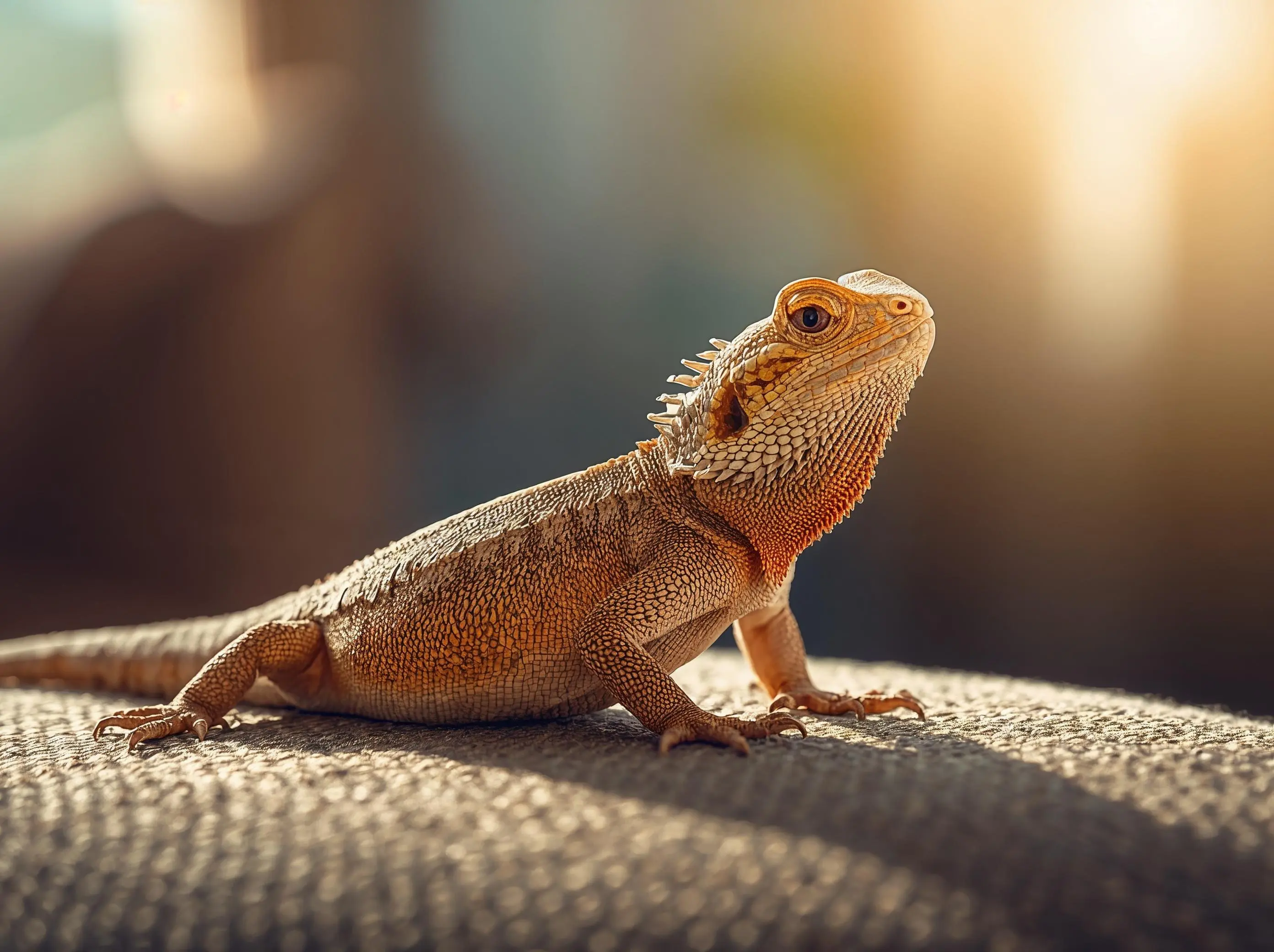
The Standard Bearded Dragon is a bearded dragon morph with a typical lifespan of 8-12 years. This guide explains its everyday care needs, important health considerations, and the ownership choices that shape long-term costs.
Standard Bearded Dragon purchase or adoption cost
| Route | Typical price | Planning note |
|---|---|---|
| Adoption or rescue | $40–$120 | Rescues may include basic information but setup still costs money. |
| Responsible breeder | $100–$250 | Ask about age, diet, health, and whether the animal is eating consistently. |
First-year cost breakdown
| Item | Low | High | Planning note |
|---|---|---|---|
| Dragon purchase or adoption | $50 | $250 | Adoption or local breeder pricing varies. |
| Enclosure, UVB, heat, and fixtures | $350 | $1,000 | Correct lighting and heat are non-negotiable. |
| Decor, substrate, thermometer, and supplies | $150 | $420 | Safe setup prevents injury and stress. |
| Food, insects, greens, and supplements | $120 | $350 | Juveniles can eat more insects than expected. |
| Initial reptile vet visit and fecal test | $80 | $280 | Parasite checks and husbandry review are smart early costs. |
| First-year scenario range | $750 | $2,300 | The low scenario uses the least expensive acquisition route plus lower setup and care estimates. The high scenario uses the highest acquisition route plus higher estimates. Adoption and breeder prices are alternatives, not costs added together. |
Monthly, annual, and lifetime budget
Typical monthly cost: $71
Typical annual cost: $850
Estimated lifetime cost: $8,500
Planning lifespan: 10 years
Budget levels
| Care level | Monthly | Annual | What it includes |
|---|---|---|---|
| Budget | $52 | $620 | Careful shopping, basic but safe housing, routine preventive care, and mostly DIY maintenance. |
| Standard | $71 | $850 | Realistic everyday care with appropriate food, housing, preventive veterinary care, and replacement supplies. |
| Premium | $117 | $1,400 | Larger habitat upgrades, premium food, more enrichment, more professional support, and a stronger emergency reserve. |
Main cost drivers
| Category | Share | Lifetime estimate | Planning note |
|---|---|---|---|
| Enclosure and lighting | 30% | $2,550 | UVB bulbs, heat fixtures, thermometers, hides, substrate choices, and enclosure upgrades are central costs. |
| Food and supplements | 34% | $2,890 | Juveniles eat many insects; adults still need greens, insects, and calcium/vitamin support. |
| Reptile veterinary care | 19% | $1,615 | Parasite checks, diagnostics, and husbandry-related illness can be expensive if delayed. |
Grooming costs for Standard Bearded Dragon
At-home care: Bearded dragons need bathing as appropriate, nail monitoring, shed support, and clean enclosure maintenance.
Professional care: Most grooming is at home, though reptile vets can help with nails or retained shed complications.
Annual range: $30-$120 excluding veterinary treatment.
Standard Bearded Dragon health risks and veterinary costs
| Condition | Risk | Potential cost | What to watch for |
|---|---|---|---|
| Metabolic bone disease | Preventable but serious | $300-$2,000+ | |
| Impaction | Low-Moderate | $150-$1,200+ | |
| Parasites | Moderate | $100-$600 |
Insurance and emergency planning for Standard Bearded Dragon
Typical premium: $10–$30 per month
Many owners self-fund bearded dragon care, but insurance or a strong reserve can help with diagnostics and emergency treatment.
When to enroll: Compare before symptoms such as appetite loss, swelling, or weakness appear.
Coverage considerations: Metabolic bone disease, impaction, parasites, injuries, and respiratory issues.
Hidden costs of owning Standard Bearded Dragon
- Bulbs can still glow while no longer providing adequate UVB.
- Local insect prices, shipping, and winter availability can change costs.
- Small starter tanks often become wasted money when an adult enclosure is needed.
Standard Bearded Dragon versus similar breeds
| Breed | Annual cost | Lifetime cost | Planning lifespan |
|---|---|---|---|
| Leatherback Bearded Dragon | $920 | $9,200 | 10 years |
| Leopard Gecko | $650 | $9,750 | 10-20 yrs |
How to save without under-caring
- Buy the adult-sized enclosure once instead of upgrading repeatedly.
- Track UVB bulb age and temperatures to prevent avoidable medical costs.
- Source feeder insects reliably and use proper supplements to reduce diet-related illness.
Is Standard Bearded Dragon a good financial fit?
A standard bearded dragon fits many budgets when owners buy correct equipment from the start. The expensive version is the one that begins with poor lighting, undersized housing, and delayed veterinary care.
A stronger fit when
- You can maintain correct heat, UVB, and diet every week.
- You want a reptile with moderate recurring costs after setup.
- You can access a reptile-experienced veterinarian.
Harder to sustain when
- You want a very cheap starter pet.
- You cannot manage live insects or lighting schedules.
- You plan to rely on a small starter tank long term.
Frequently asked questions
Standard Bearded Dragon cost questions
How much does a Standard Bearded Dragon cost per month?
A standard Standard Bearded Dragon budget is about $71 per month, or about $850 per year. First-year costs are usually higher because the habitat, carrier, supplies, acquisition cost, and first veterinary visit arrive together.
What is the biggest hidden cost for a Standard Bearded Dragon?
The hidden costs are usually proper UVB lighting, heat control, larger enclosure upgrades, feeder insects, supplements, and reptile-experienced veterinary care.
Is insurance worth it for a Standard Bearded Dragon?
It depends on whether an available policy covers the species, your savings, and your local access to exotic veterinary care. Many owners compare insurance quotes with a dedicated emergency fund instead of assuming one answer fits every household.
How long should I budget for a Standard Bearded Dragon?
Use the expected lifespan range as the planning horizon. This page models about 10 years, but actual lifespan depends on genetics, husbandry, diet, stress, and veterinary care.
Sources and trust
Breed and health references
Methodology
How these estimates are built
These planning ranges combine acquisition, first-year setup, recurring care, breed-specific risks and regional price differences. They are budgeting estimates rather than provider quotes.
Read the full methodology →