
Quick answer
How much does a Siberian Husky cost?
Siberian Husky ownership typically costs about $267/month or $3,200/year on a standard-care budget. Over a 13-year lifespan, total ownership averages about $41,600. The real financial story is not food alone. It is escape-proof fencing, destruction prevention, heavy shedding, intense exercise needs, prey-drive management, and the way under-stimulated Huskies can become expensive very quickly. This guide breaks down monthly, annual, first-year, and lifetime expenses using our methodology and data sources.
About breed
About the Siberian Husky
The Siberian Husky is a dog breed with a typical lifespan of 13 years. This guide explains its everyday care needs, important health considerations, and the ownership choices that shape long-term costs.
First-year cost breakdown
| Item | Low | High | Planning note |
|---|---|---|---|
| Adoption fee or breeder price | $100 | $2,500 | |
| Spay/neuter | $180 | $450 | |
| Puppy vaccine series | $150 | $320 | |
| Crate, bed, bowls, leash, harness | $300 | $750 | |
| Food (first year) | $500 | $1,000 | |
| Escape-proof fencing upgrades | $300 | $1,200 | |
| Training class | $120 | $450 | |
| GPS tracker and ID setup | $80 | $250 | |
| Flea, tick, and heartworm prevention | $180 | $350 | |
| First-year scenario range | $1,910 | $7,270 | The low scenario uses the least expensive acquisition route plus lower setup and care estimates. The high scenario uses the highest acquisition route plus higher estimates. Adoption and breeder prices are alternatives, not costs added together. |
Monthly, annual, and lifetime budget
Typical annual cost: $3,200
Estimated lifetime cost: $41,600
Planning lifespan: 13 years
Budget levels
| Care level | Monthly | Annual | What it includes |
|---|---|---|---|
| Budget | $217 | $2,600 | DIY grooming, self-managed exercise, basic fencing, mainstream food, and self-funded emergency savings. |
| Standard | $267 | $3,200 | Quality food, deshedding support, durable gear, training, escape prevention, and moderate emergency planning. |
| Premium | $467 | $5,600 | Professional daycare, advanced fencing, premium boarding, GPS tracking, insurance, and high-activity lifestyle support. |
Main cost drivers
| Category | Share | Lifetime estimate | Planning note |
|---|---|---|---|
| Food & treats | 29% | $12,064 | |
| Vet & medical | 24% | $9,984 | |
| Exercise & activity | 19% | $7,904 | |
| Fencing & durable gear | 18% | $7,488 | |
| Grooming & misc | 10% | $4,160 |
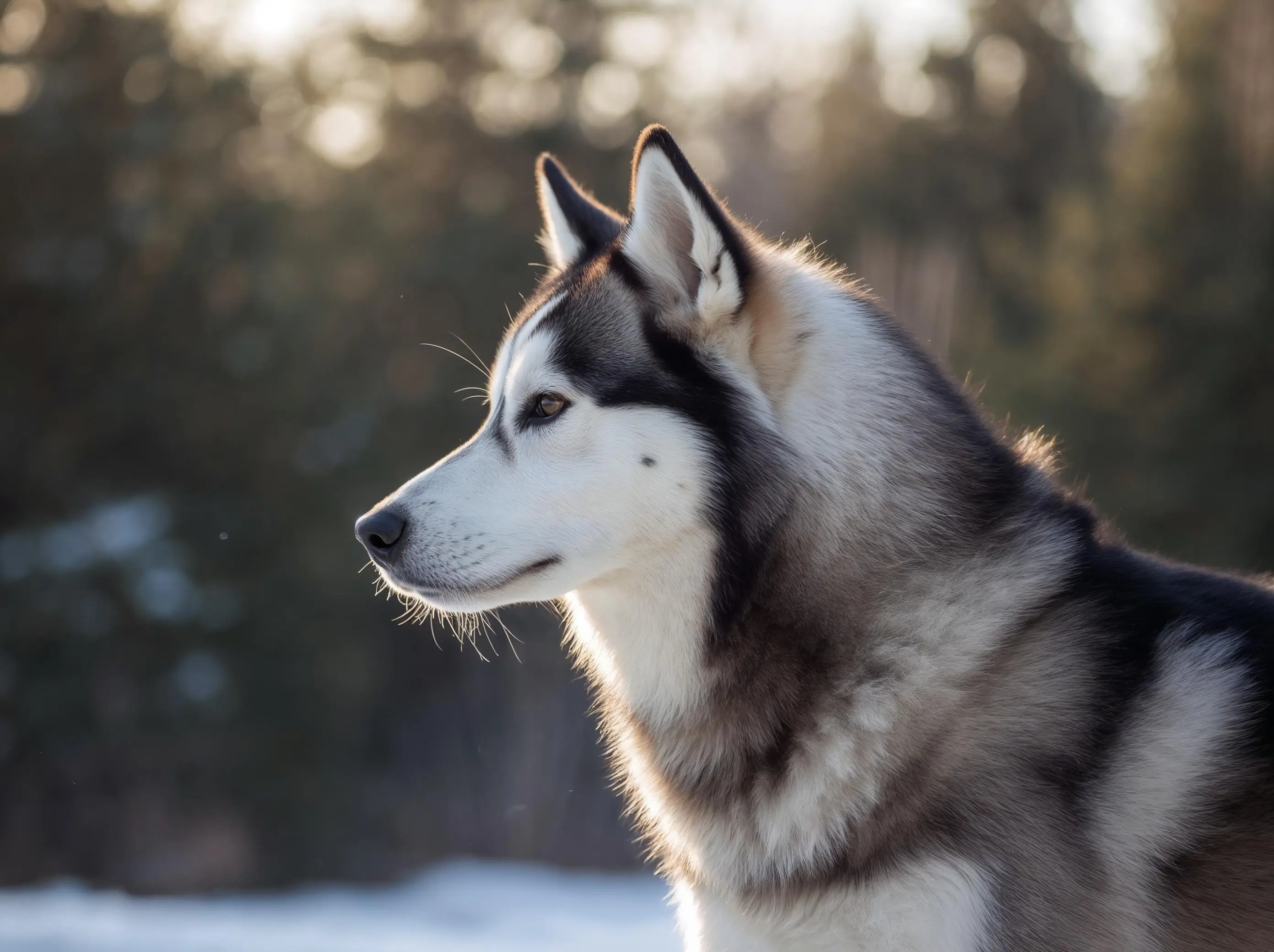
Siberian Husky health risks and veterinary costs
Huskies are healthier than many large breeds overall, but orthopedic issues, eye conditions, thyroid disease, and breed-specific skin problems still create meaningful long-term costs.
| Condition | Risk | Potential cost | What to watch for |
|---|---|---|---|
| Hip dysplasia | Moderate | $4,500-$7,000 surgery | limping, bunny hopping, stiffness, or trouble rising |
| Eye conditions | Elevated | Monitoring and specialist care | cloudiness, vision hesitation, bumping into objects, or eye irritation |
| Hypothyroidism | Moderate | $300-$700/year | weight gain, lethargy, coat thinning, or reduced stamina |
| Zinc-responsive dermatosis | Breed-specific | $200-$800/year | crusting around eyes or mouth, poor coat condition, or recurring skin irritation |
Insurance and emergency planning for Siberian Husky
Some owners prefer emergency savings over insurance because Huskies are relatively healthy overall, while others prefer coverage for orthopedic or emergency risks.
Hidden costs of owning Siberian Husky
- The first year often becomes expensive because Huskies need secure containment, durable gear, advanced exercise planning, and heavy supervision before maturity.
- Routine coat care is moderate most of the year but becomes intense during seasonal shedding. Boarding can also cost more because some facilities require extra exercise handling for high-energy breeds.
How to save without under-caring
- Secure fencing is cheaper than repeated escape recovery, property damage, or injury.
- Exercise is preventive medicine for Huskies. Daily structured activity reduces destruction-related spending.
- Professional deshedding during coat-blow seasons prevents matting and reduces indoor cleanup costs.
- Never trust off-leash recall in unfenced areas regardless of training confidence.
- GPS collars and updated ID tags are worth considering for escape-prone dogs.
Is Siberian Husky a good financial fit?
Siberian Huskies fit households that can consistently support exercise, fencing, training, shedding management, and occasional high-energy lifestyle spending without financial stress.
A stronger fit when
- Very active households comfortable with intense exercise routines.
- Owners willing to manage escape behavior seriously.
- People prepared for heavy shedding and seasonal coat blowouts.
- Homes with secure fencing and room for activity.
Harder to sustain when
- Your schedule cannot support consistent exercise.
- You want reliable off-leash flexibility.
- You live in very hot climates without cooling support.
- A moderate emergency bill would immediately create debt.
Sources and trust
Breed and health references
Methodology
How these estimates are built
These planning ranges combine acquisition, first-year setup, recurring care, breed-specific risks and regional price differences. They are budgeting estimates rather than provider quotes.
Read the full methodology →